Matcha vs Green Tea: what’s the difference?
Matcha is green tea, but not all green tea is matcha. Matcha is shade-grown, ground into a powder and whisked, so you drink the whole leaf. Here is how they differ in taste, caffeine and how you make them.
What is the difference between matcha and green tea?
Matcha is a Japanese green tea made from shade-grown leaves ground into a fine powder that you whisk into water or milk, so you drink the whole leaf. Regular green tea is dried leaves steeped in hot water and then removed. That is why matcha is richer, more umami and usually higher in caffeine per serving.
Both come from the same plant, Camellia sinensis. The difference is how it is grown, processed and prepared.
| Matcha | Regular green tea | |
|---|---|---|
| Growing | Shaded for a period before harvest | Usually grown in full sun |
| Form | Fine stone-ground powder | Whole or broken dried leaves, or teabags |
| Preparation | Whisked into water or milk | Steeped in hot water, then strained |
| What you drink | The whole leaf, suspended in the cup | The water the leaf was steeped in |
| Taste | Rich, creamy, umami, vegetal | Lighter, cleaner, grassy, sometimes astringent |
| Colour | Vivid, opaque green | Pale yellow to green, clear |
| Caffeine per serving | Generally higher | Generally lower |
| Cost per serving | Usually higher | Usually lower |
| Best for | Lattes, whisked bowls, baking | Plain hot or iced tea |
These are typical differences. Teas and brands vary, so some products will not follow this pattern.
Where the difference comes from.
Same plant, different handling. For the full production path, see what matcha is made of.
Shade-growing
Matcha plants are shaded before harvest. Shading is associated with the vivid green colour and the sweeter, umami flavour of good matcha.
The whole leaf
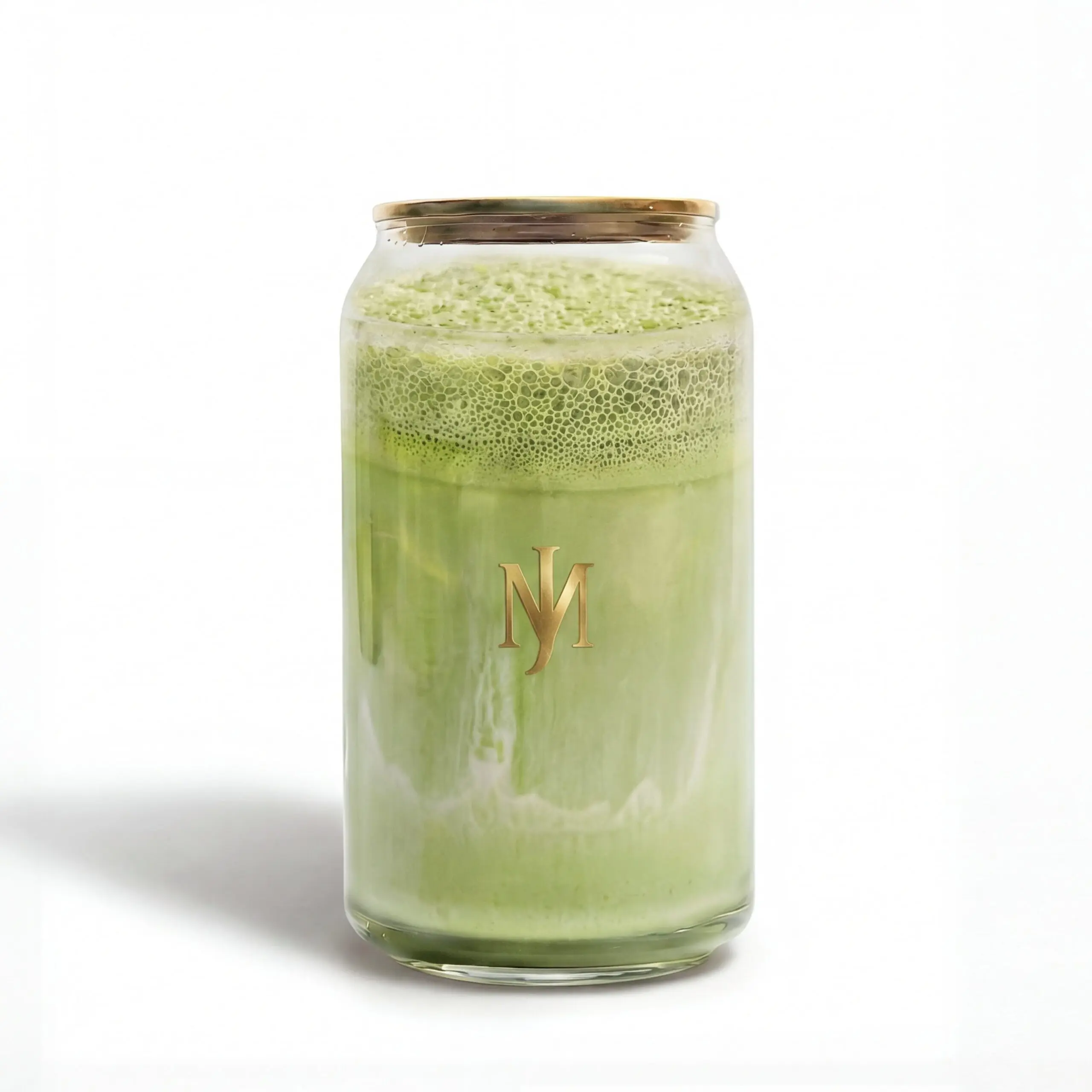
Matcha leaves are dried, refined and stone-ground into powder, which is whisked into the cup. With green tea you steep the leaf and discard it.
The preparation
Matcha is whisked until frothy. Green tea is steeped for a minute or two. Different methods give a thicker, richer cup versus a lighter, clearer one.
The cost
Shading, careful processing and slow grinding make good matcha more expensive per serving than a typical green tea bag.
What about caffeine and health?
The honest answer is that it depends on how much leaf ends up in your cup.
Caffeine
Because you drink the whole powdered leaf, matcha generally has more caffeine per serving than steeped green tea. The amount varies by powder and portion. See does matcha have caffeine? for the published figures.
Health claims
Both contain tea plant compounds such as catechins. Matcha gives you more of the whole leaf per cup, but the research is still developing and neither is a cure or a guarantee. See is matcha healthy?
This is general information, not medical advice. If you are pregnant, sensitive to caffeine or have a health condition, check with your doctor about how much caffeine suits you.
Choose by what you want from the cup.
Neither is better in every situation. The right one depends on the moment.
| You want… | Pick | Why |
|---|---|---|
| A creamy, café-style latte | Matcha | Whisked powder blends into milk. See how to make a matcha latte |
| A light, plain cup through the day | Green tea | Easy to brew, gentle and refreshing |
| A stronger, richer flavour | Matcha | The whole leaf gives a more concentrated taste |
| A lower-caffeine cup | Green tea | Generally lower per serving than matcha |
| Baking or smoothies | Matcha | Powder mixes in. See how to use matcha powder |
| Matcha or coffee? | See our comparison | Matcha vs coffee |
“Green tea powder” is not always matcha.
Labels are loose, so read them before you buy.
- Look for 100% matcha as the ingredient, with no added sugar or filler.
- Check the origin. Japan is the traditional home of matcha.
- Expect a vivid green colour and a fine, silky powder. A dull yellow or brown tone suggests older or lower-quality powder.
- Match the grade to the use. See ceremonial vs culinary matcha.
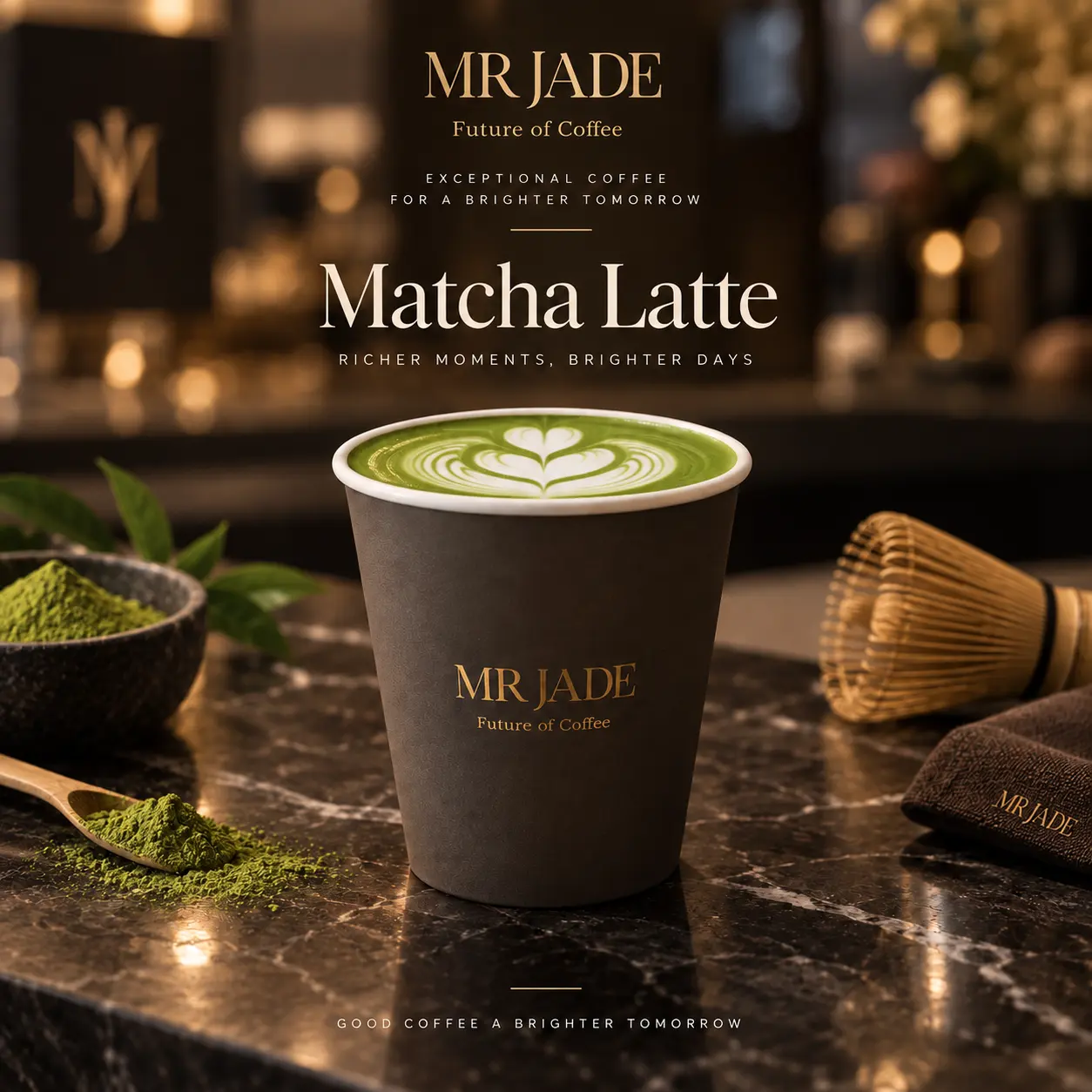
The matcha behind every MRJADE drink.
Every matcha drink at MRJADE is made with ceremonial-grade matcha sourced from Japan.
| Grade | Ceremonial |
|---|---|
| Origin | Japan |
| Leaves and grind | Shade-grown tea leaves, stone-ground to an ultra-fine powder |
| Ingredients | 100% matcha, with no added sugar, artificial flavouring or preservatives |
| Take it home | Matcha powder in 30 g, 50 g and 100 g tins |
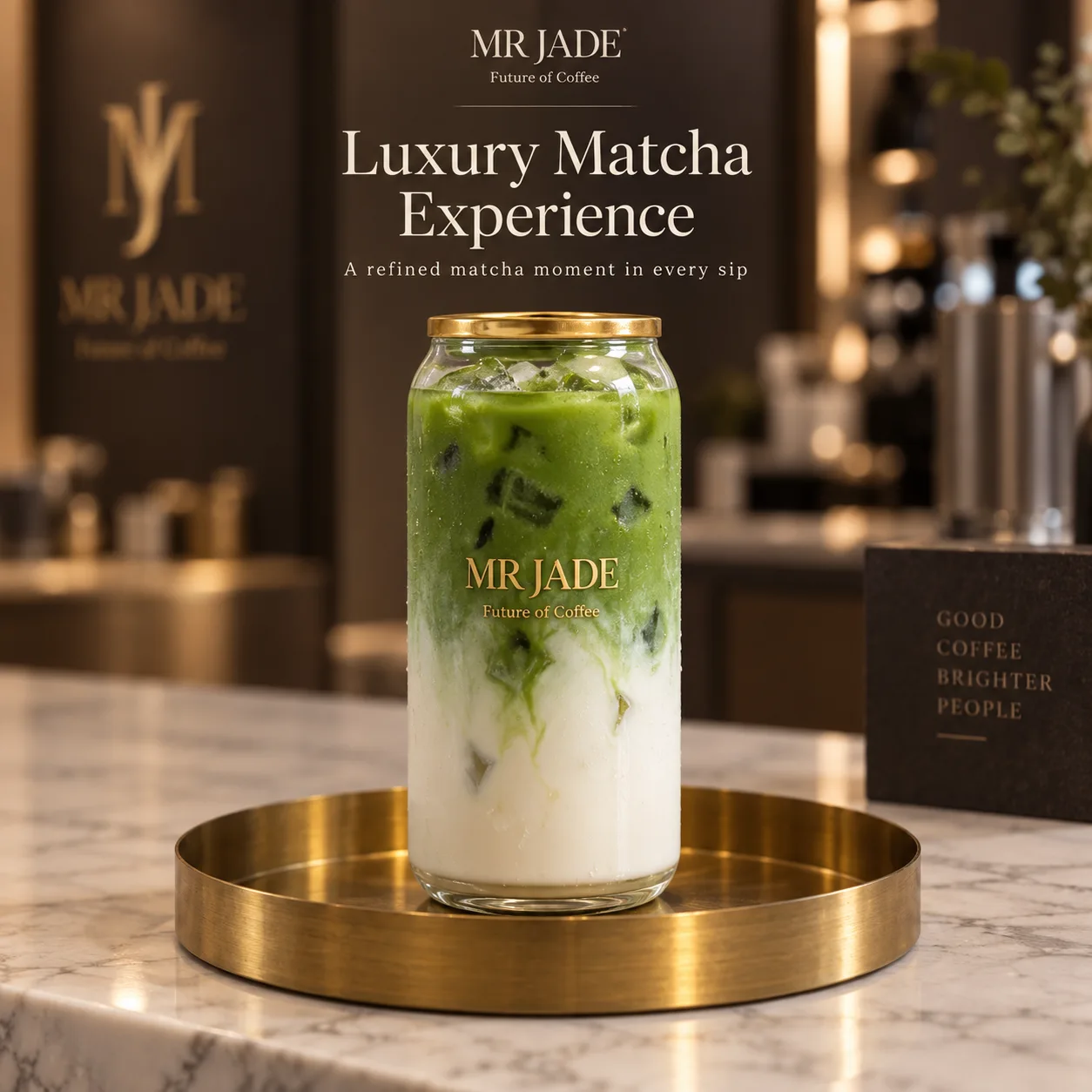
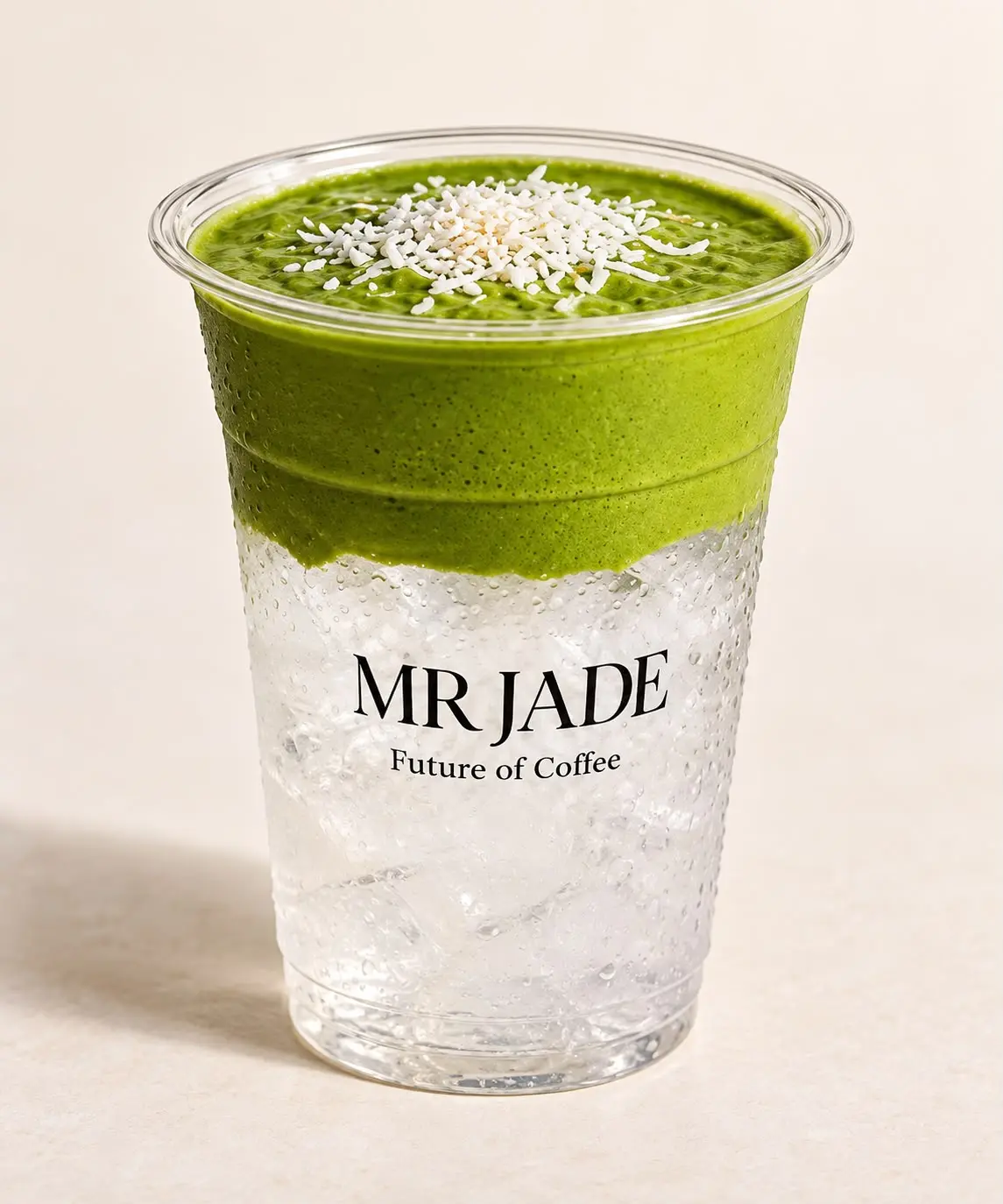
| Drinks | Eight matcha drinks, from a classic Matcha Latte to Pink, Cloud and the Luxury Matcha Experience |
More MRJADE matcha guides.
From the basics to the caffeine question.
| What is matcha? | Taste, benefits and why Dubai loves it |
|---|---|
| Matcha vs coffee | Energy, taste and how to choose |
| Does matcha have caffeine? | How much, and how it compares |
| Is matcha healthy? | What matcha does and does not do |
| Matcha tea benefits | What the research suggests |
| How to use matcha powder | Amounts, water and method |
Prefer Arabic? Read أفضل ماتشا في وسط مدينة دبي.
Key takeaways
- Matcha is a type of green tea: shade-grown, stone-ground and whisked, so you drink the whole leaf.
- Regular green tea is steeped and strained, which gives a lighter, cleaner cup.
- Matcha generally has more caffeine and a richer, more umami taste per serving.
- “Green tea powder” is not always matcha, so check the ingredients and origin.
- MRJADE uses ceremonial-grade matcha sourced from Japan in every matcha drink.
Matcha vs green tea: your questions
Short answers before you choose.
What is the difference between matcha and green tea?
Both come from the Camellia sinensis plant. Matcha is made from shade-grown leaves that are ground into a fine powder you whisk into water or milk, so you consume the whole leaf. Regular green tea is made from leaves that are dried and steeped in hot water, and the leaves are removed before drinking.
Is matcha stronger than green tea?
Usually, yes, in both flavour and caffeine per serving, because the whole powdered leaf goes into the cup. The exact caffeine depends on the powder, the amount used and the tea you compare it with, so treat it as a general pattern, not a fixed number.
Does matcha have more caffeine than green tea?
Per typical serving, matcha generally contains more caffeine than a cup of steeped green tea, since you drink the leaf itself. Amounts vary widely. Our caffeine guide gives the published figures for a typical matcha serving.
Is matcha healthier than green tea?
Both contain tea plant compounds such as catechins. Matcha delivers more of the whole leaf per cup, but that does not make it a medicine or a guaranteed health upgrade. The research is still developing, so choose the one you enjoy and drink regularly.
Why is matcha more expensive than green tea?
Matcha needs shaded growing, careful processing and slow stone-grinding into a fine powder, and quality powders are produced in small quantities. Price alone does not prove quality, so check the origin, ingredients and freshness.
Can I use green tea powder instead of matcha?
Not reliably. “Green tea powder” can mean matcha or a different ground tea or instant mix, and the flavour and colour differ. Check the ingredients for 100% matcha and the origin before substituting.
Which tastes better, matcha or green tea?
It is a matter of taste. Matcha is richer, creamier and more umami, with a thicker texture. Green tea is lighter, cleaner and more grassy. Many people enjoy matcha as a latte and green tea as a plain hot or iced cup.
Is matcha green tea?
Yes. Matcha is a type of Japanese green tea, but it is grown and prepared differently from the loose-leaf green tea most people brew in a cup or teabag.
What matcha does MRJADE use?
MRJADE uses ceremonial-grade matcha sourced from Japan in every matcha drink. Our matcha powder is shade-grown and stone-ground, with no added sugar, artificial flavouring or preservatives, sold in 30 g, 50 g and 100 g tins.
Taste matcha made properly on the Boulevard.
MRJADE Coffee, R01, Burj Crown, Emaar Boulevard, Downtown Dubai, UAE.
Hours: Sunday–Thursday 7 AM–11 PM · Friday–Saturday 7 AM–12 AM