Is matcha healthy?
Yes — matcha can be a healthy drink. The reason is not detox marketing or miracle claims. It is the tea itself: caffeine, L-theanine, catechins and other plant compounds, plus a recipe that can be as simple or as indulgent as you make it.
Matcha can absolutely fit a healthy diet — but “healthy” is not the same as magical.
Pure matcha naturally contains caffeine, L-theanine and tea catechins, including EGCG. Those compounds make matcha nutritionally interesting. What changes the health profile most in a café setting is often the rest of the recipe: milk choice, serving size, syrup and added sugar.
Three things can all be true at once.
Good nutrition rarely needs an all-or-nothing verdict.
Pure matcha is nutritionally useful.
It delivers tea polyphenols, caffeine, L-theanine and other compounds naturally present in the tea leaf.
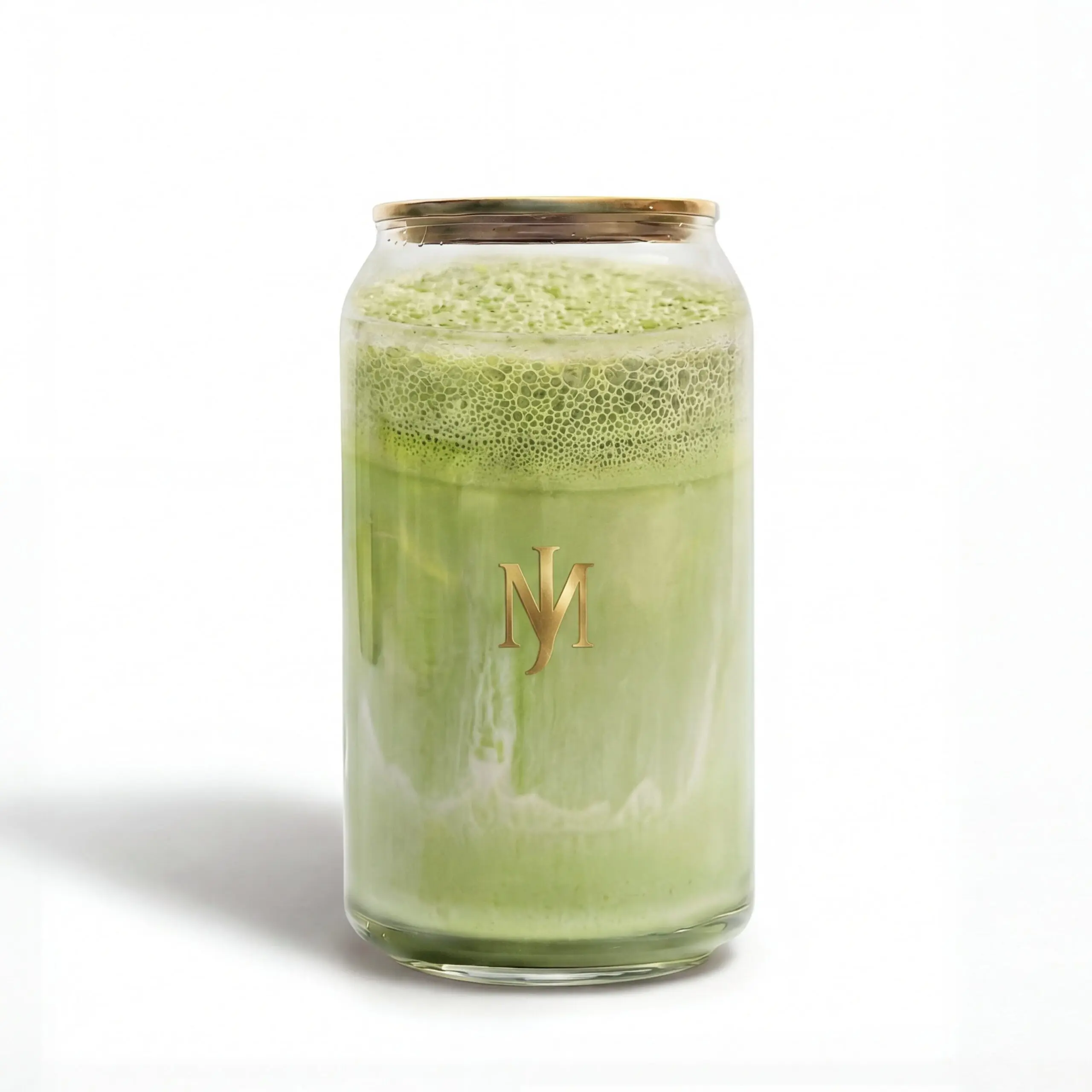
A matcha latte is a recipe, not just powder.
Milk, plant drinks, flavourings and sweeteners can change calories, sugar, protein and overall nutrition considerably.
Healthy does not mean detox, cure or fat burner.
Direct matcha research is promising in several areas, but evidence is not strong enough for the dramatic claims often used in wellness marketing.
What is actually inside the green powder?
Matcha comes from the Camellia sinensis tea plant. Shade cultivation and the way the leaf is processed influence the compounds that end up in the powder.
For alertness
Matcha naturally contains caffeine. The exact amount depends on the tea and how much powder is used.
A tea amino acid
L-theanine occurs naturally in tea and is studied alongside caffeine for possible effects on attention and mood.
Tea polyphenols
Matcha contains catechins such as EGCG, plant compounds with antioxidant activity.
Part of the colour
Chlorophyll contributes to matcha’s vivid green appearance, particularly in well-shaded tea leaves.
What health benefits can you talk about responsibly?
The safest starting point is composition. Matcha clearly provides caffeine, L-theanine, catechins and other phytochemicals. Research reviews also describe strong antioxidant potential in tea compounds.
Human trials on matcha itself are much smaller than the social-media reputation of matcha would suggest. A critical review of human and animal studies found some evidence for reduced stress and slight improvements in attention and memory, but also described results as contradictory and concluded that more randomized trials are needed.
That makes the useful message simple: matcha is a nutrient-rich tea beverage with interesting bioactive compounds. It does not need exaggerated promises to be worth drinking.
Is matcha healthier than coffee?
Not in any universal sense. Both can fit a healthy diet. Matcha contains L-theanine and tea catechins; coffee contains a different mix of polyphenols and has a much larger body of long-term health research.
If you want the full side-by-side breakdown, read our matcha vs coffee guide.
Look at the whole cup.
It can be. The answer lives in the recipe.
A latte does not suddenly erase matcha’s tea compounds, but “matcha” on the menu is not a nutrition guarantee. A lightly sweetened latte and a large dessert-style drink with several pumps of syrup are very different products.
Milk is not automatically “unhealthy,” and plant-based milk is not automatically healthier. The useful comparison is the actual product: ingredients, sugar, protein, portion size and whether the drink fits your overall diet.
Choose the milk you tolerate and enjoy, then decide how much sweetness you actually want. That is more practical than treating one milk type as universally superior.

Matcha does not need wellness theatre to earn a place in your day.
The colour, the texture, the gentle bitterness and the umami are enough. Choose matcha because you enjoy the drink — and let the tea compounds be a useful bonus, not a miracle sales pitch.
Three reasons matcha may need more thought.
Matcha is still a caffeinated food, and individual health circumstances matter.
It can still affect sleep or cause jitters.
Matcha is not caffeine-free. If caffeine makes you anxious, nauseated, restless or keeps you awake, serving size and timing matter.
Generic daily advice is not enough for everyone.
Pregnancy, breastfeeding, medication use and some medical conditions can change caffeine guidance. Personal clinical advice takes priority over general beverage content.
The recipe can matter more than the green powder.
A heavily sweetened matcha drink may deliver far more added sugar than someone expects from a product marketed with a health halo.
Can you drink matcha every day?
Many adults can include matcha regularly. There is not one universal “1–2 cups per day” rule that fits every product and every person because caffeine content varies and serving size matters.
The FDA cites 400 mg of caffeine per day for most healthy adults as an amount not generally associated with negative effects. That is a total from all caffeine sources, not a target and not a matcha-specific recommendation.
If you drink coffee, tea, energy drinks or use caffeine-containing supplements as well, consider the whole day rather than looking at one cup in isolation.
What about detox, weight loss and immunity?
These are the claims where matcha marketing most often outruns the evidence. Chlorophyll does not establish that matcha removes heavy metals or “balances pH.” Green-tea catechins and caffeine have been studied in metabolism research, but that does not make matcha a proven weight-loss treatment or appetite suppressant.
Matcha also should not be sold as an immune booster or disease-prevention treatment based simply on its antioxidant content. Interesting chemistry is not the same as a proven clinical outcome.
For a deeper look at individual claims, see our matcha tea benefits guide.
How MRJADE approaches the “healthy matcha” question.
We would rather make a good matcha than pretend a café drink is medicine. At MRJADE Coffee, matcha sits alongside espresso as a proper beverage category — hot, iced and designed to taste good.
Explore our matcha latte menu, see the iced matcha latte, or learn what matcha is made of.
MRJADE Coffee is at Burj Crown on Emaar Boulevard in Downtown Dubai, close to Dubai Opera, Burj Khalifa and The Dubai Mall.
The useful questions, answered without the health halo.
Is matcha healthy?
Yes, matcha can fit a healthy diet. It naturally provides caffeine, L-theanine and tea polyphenols such as catechins. The overall nutrition of a prepared drink depends on what is added to it.
Is a matcha latte healthy?
It can be. The main variables are the quantity of matcha, milk or plant drink, added sweetener and serving size. A matcha latte is a recipe, not a single standard nutrition profile.
Is matcha healthier than coffee?
There is no universal winner. They contain different plant compounds and both can be part of a healthy diet. Choose according to taste, caffeine tolerance and your overall routine.
Can I drink matcha every day?
Many adults can, but total caffeine intake matters. There is no one matcha serving limit that applies to every product and every person.
Does matcha help with weight loss?
Matcha is not a proven standalone weight-loss treatment. Green-tea catechins and caffeine have been studied in metabolism research, but long-term weight change depends on many factors.
Does matcha detox the body?
No strong evidence shows that matcha specifically removes toxins or heavy metals. Its chlorophyll and polyphenol content should not be turned into a detox claim.
Does matcha give energy without jitters?
Matcha contains caffeine and L-theanine, and some people prefer how that combination feels. It can still cause caffeine-related effects in sensitive people.
References & further reading
- Kochman J, et al. Health Benefits and Chemical Composition of Matcha Green Tea: A Review. Molecules. 2020. PubMed
- Sokary S, et al. The therapeutic potential of matcha tea: A critical review on human and animal studies. Current Research in Food Science. 2023. PubMed
- Phuah YQ, et al. A review on matcha: Chemical composition, health benefits, with insights on its quality control. Food Research International. 2023. PubMed
- U.S. Food & Drug Administration. Spilling the Beans: How Much Caffeine is Too Much? FDA
Healthy enough to be honest. Good enough to order again.
Matcha, iced matcha, specialty coffee and fast takeaway at Burj Crown on Emaar Boulevard.