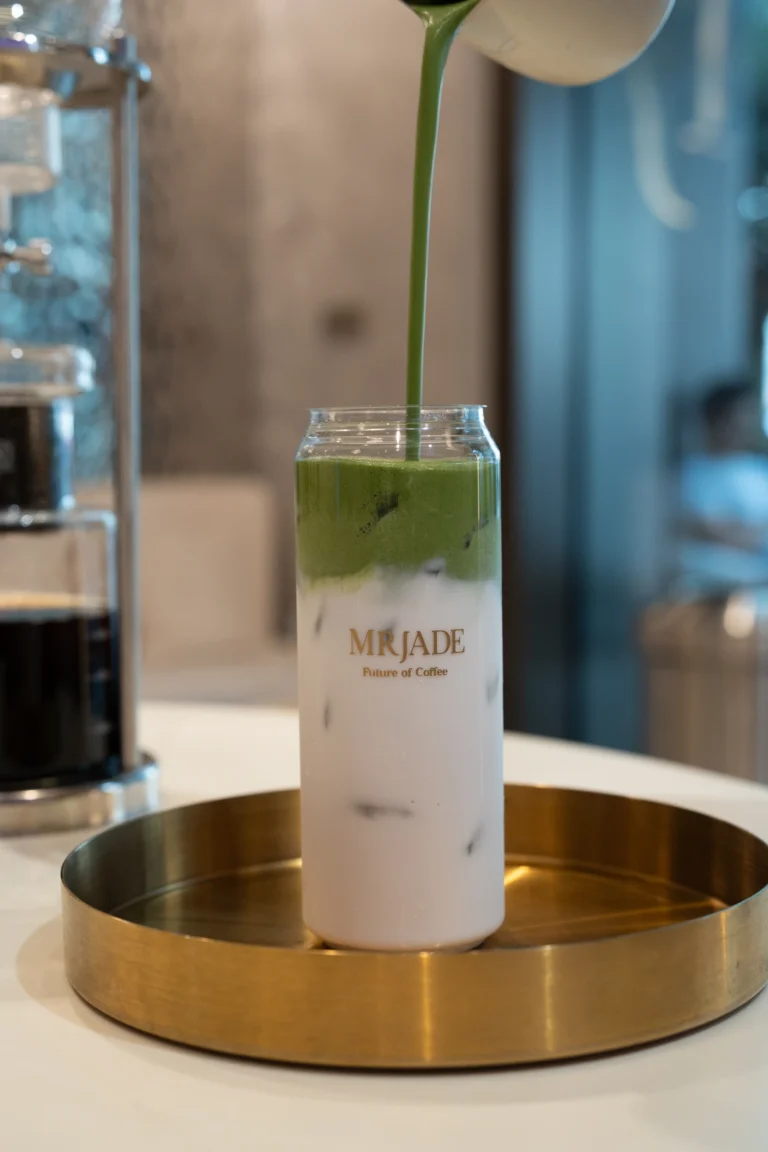
Matcha vs coffee:
what actually changes?
Both can sharpen a morning. Both contain caffeine. But they taste different, are prepared differently and bring different plant compounds to the cup. Here is the useful comparison — without declaring a fake winner.
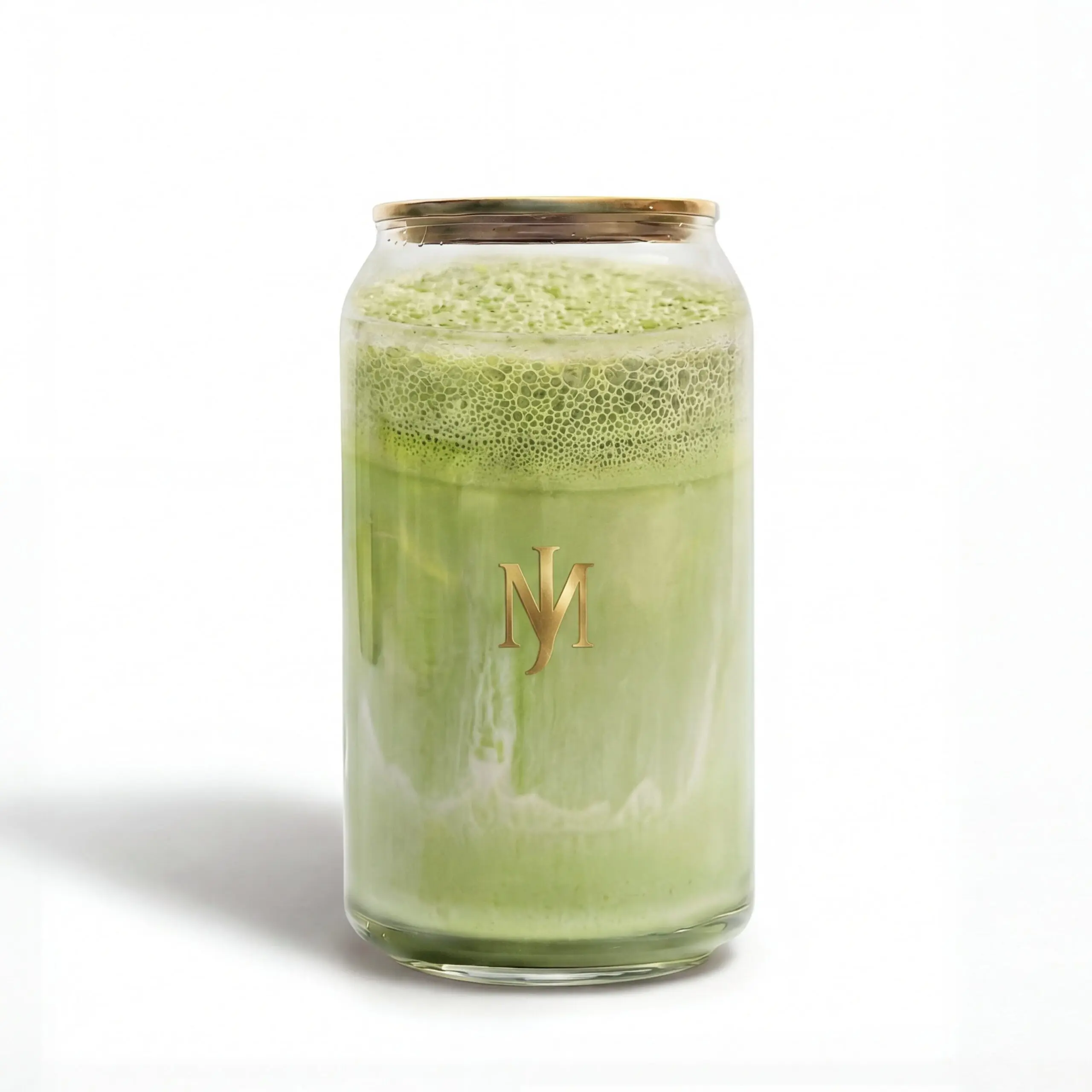

Neither drink is universally “better.” They simply do different things well.
Coffee is usually the more concentrated caffeine hit per typical cup and brings roasted, aromatic flavour. Matcha contains caffeine too, but also naturally contains L-theanine and tea catechins such as EGCG. Your best choice depends on taste, caffeine tolerance, preparation style and what you want from the moment.
Two very different routes to a caffeinated drink.
Matcha is finely ground tea leaf. Coffee is brewed from roasted coffee beans. That difference shapes everything from flavour and preparation to the compounds in the cup.
Green, vegetal, umami-led.
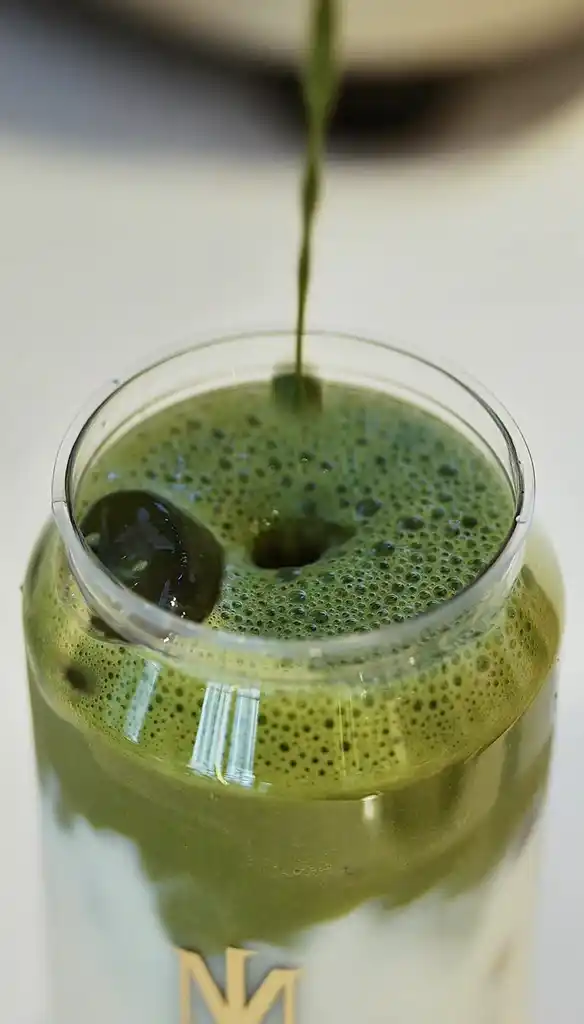
Made from shade-grown tea leaves processed into tencha and ground into powder. The leaf itself remains part of the drink when the powder is whisked or mixed.
- Contains caffeine + L-theanine
- Rich in tea catechins, including EGCG
- Works hot, iced or as a latte
- Flavour can range from sweet and umami to gently bitter
Roasted, aromatic, endlessly varied.
Brewed from roasted coffee seeds. Water extracts soluble flavour compounds and caffeine, while the grounds are normally discarded after brewing.
- Typically delivers more caffeine per standard cup
- Contains polyphenols such as chlorogenic acids
- Works across espresso, filter, cold brew and milk drinks
- Flavour depends heavily on origin, roast and brewing method
The practical differences.
| Feature | Matcha | Coffee |
|---|---|---|
| Main ingredient | Finely ground Camellia sinensis tea leaf | Roasted coffee beans/seeds brewed with water |
| Caffeine | Varies by powder and serving size | FDA: about 80–100 mg in a typical 8 oz cup |
| L-theanine | Naturally present | Not a characteristic coffee compound |
| Notable polyphenols | Tea catechins such as EGCG | Includes chlorogenic acids and other coffee polyphenols |
| Preparation | Whisked or mixed into water/milk | Espresso, filter, French press, cold brew and more |
| Taste | Vegetal, umami, creamy in latte form | Roasted, nutty, chocolatey, fruity or bitter depending on coffee |
| Best reason to choose it | You enjoy tea character and want caffeine with L-theanine | You love coffee flavour, aroma and brewing variety |
Why matcha can feel different — without the “no crash” mythology.
Coffee caffeine is absorbed quickly, and individual sensitivity varies considerably. Matcha also contains caffeine, but tea naturally provides L-theanine alongside it. Research on caffeine plus L-theanine suggests possible benefits for some attention and mood outcomes, but effects are not identical for everyone.
Usually the stronger caffeine dose per cup
The FDA cites roughly 80–100 mg of caffeine for a typical 8-ounce cup of coffee. Actual amounts vary by bean, roast, dose, brew method and serving size.
Caffeine plus naturally occurring L-theanine
Matcha caffeine content varies substantially with the powder and quantity used. Its L-theanine content is one of the clearest compositional differences from coffee.
“Smooth energy” is subjective
Some people prefer how matcha feels, while others simply prefer coffee. Evidence does not justify promising that matcha can never cause jitters, sleep disruption or an energy dip.
That question is more complicated than the internet makes it sound.
The old version of this comparison said matcha simply “wins” on nutrition. That is too neat. Both drinks contain biologically active plant compounds, and coffee has a much larger body of long-term population research behind it. Umbrella reviews have found coffee consumption to be associated with several favourable health outcomes, while also noting that caffeine can acutely raise blood pressure in some settings.
Matcha is rich in catechins, caffeine, chlorophyll and L-theanine. Research on matcha is promising, but direct human evidence is still smaller than the evidence base for coffee. In other words: matcha is interesting; coffee is not nutritionally “bad”; and neither drink should be marketed like medicine.
Which drink fits your overall diet, sleep, caffeine tolerance and preferences? Added sugar, syrups, portion size and total caffeine can matter more than whether the base is green tea or coffee.
What about acidity and the stomach?
Coffee contains organic acids and can trigger reflux or digestive discomfort in some people, but sensitivity is individual. Matcha is not automatically “stomach-safe” either: caffeine and concentrated tea can still bother some people, particularly on an empty stomach.
If one drink consistently makes you uncomfortable, your own response is more useful than a blanket claim that matcha is always gentler or coffee is always harsh.

Sometimes the right drink is simply the one you want right now.
Espresso before a meeting. Iced matcha in the Dubai heat. A flat white when you want roasted depth. A creamy green latte when you want something softer and more vegetal. You do not need to join a team.
What should you order today?
No fake winner — just three useful ways to decide.
You want tea character.
You enjoy green, umami-led flavours and like the combination of caffeine and L-theanine.
You want roasted intensity.
Espresso aroma, coffee origin, milk texture and brewing style are part of what you love.
Your mood changes.
Coffee and matcha do not need to compete. Just keep your total daily caffeine intake in mind.
Coffee and matcha share the same bar in Downtown Dubai.
MRJADE Coffee serves both because they answer different moods. Our menu includes espresso classics and cold coffee alongside hot and iced matcha, so the choice does not have to become a wellness identity.
Start with our matcha latte, try the iced matcha latte, explore cold coffee, or see the full MRJADE menu.
We are at Burj Crown on Emaar Boulevard in Downtown Dubai, close to Dubai Opera, Burj Khalifa and The Dubai Mall.
The questions people actually ask.
Does matcha have less caffeine than coffee?
Often per typical serving, but there is no single fixed number. Coffee commonly contains around 80–100 mg per 8-ounce cup according to the FDA, while matcha depends heavily on the caffeine concentration of the powder and how many grams are used.
Is matcha better than coffee?
Not universally. Both provide caffeine and plant compounds. Matcha contains L-theanine and tea catechins; coffee has its own polyphenol profile and a substantial evidence base. Taste, tolerance and overall diet are better decision factors than a simple “healthier” label.
Why does matcha sometimes feel calmer than coffee?
Matcha naturally contains L-theanine alongside caffeine. Studies of theanine plus caffeine suggest possible effects on attention and mood, but responses vary and “calm energy without a crash” should not be treated as a guarantee.
Which has more antioxidants?
Both contain antioxidant plant compounds, but they contain different mixtures. Matcha is known for catechins such as EGCG, while coffee contains compounds including chlorogenic acids. One simple ranking does not capture the full nutritional picture.
Can I replace coffee with matcha?
Yes, if you enjoy it and it suits your caffeine needs. You can also drink both. There is no nutritional requirement to choose only one.
Which is better before a workout?
Caffeine can support alertness and exercise performance, but the relevant dose depends on the drink and the person. Coffee often provides more caffeine per serving, while matcha can also contribute meaningful caffeine.
References & further reading
- U.S. Food & Drug Administration. Caffeine guidance and typical beverage ranges. FDA
- Kochman J, et al. Health Benefits and Chemical Composition of Matcha Green Tea: A Review. Molecules. 2020. PMC
- Phuah YQ, et al. A review on matcha: Chemical composition, health benefits, with insights on its quality control. Food Research International. 2023. PubMed
- Poole R, et al. and related umbrella-review literature on coffee and health outcomes. PubMed
- Systematic review and meta-analysis of tea, L-theanine and caffeine on cognition, mood and sleep. PubMed
Green or roasted? Your next cup is waiting at Burj Crown.
Premium matcha, specialty coffee and fast takeaway on Emaar Boulevard in Downtown Dubai.