What Is Matcha? Taste, Benefits, Caffeine & Why Dubai Loves It
Matcha is a finely powdered Japanese green tea made from shade-grown leaves. Here is the clear guide to how it is made, how it differs from regular green tea, what it tastes like, what the evidence says about its benefits, and how to enjoy it at MRJADE in Downtown Dubai.
What is matcha?
Matcha is powdered green tea made from specially cultivated tea leaves, traditionally associated with Japan. The leaves used for matcha are shaded before harvest, steamed, dried without rolling into a material called tencha, then finely ground. Unlike ordinary brewed green tea, the powder is whisked into water or milk and consumed rather than steeped and removed.
Matcha is green tea — but the way you consume it changes the experience.
Matcha and regular green tea come from the same tea plant, Camellia sinensis. The important difference is not that matcha is a different species. It is the way the leaves are cultivated, processed, ground and prepared.
With most green tea, leaves are steeped in hot water and then removed. With matcha, the prepared tea leaf is ground into a very fine powder. That powder is dispersed into water or milk, so the leaf material remains in the drink.
This is why matcha has a denser flavor, a more opaque green appearance and a different texture from a typical cup of sencha or a green-tea bag. It is also why comparisons that simply call matcha “strong green tea” miss part of the story.
Japan’s Ministry of Agriculture, Forestry and Fisheries describes matcha as tea made from shaded leaves that are steamed, dried without rolling and ground into a fine powder. The Japan Tea Central Public Interest Incorporated Association gives the same tencha-to-matcha process.

How is matcha made?
High-quality matcha begins well before a whisk touches a bowl. The production method shapes its color, aroma, texture and characteristic savory-sweet taste.
The Japanese tea industry describes matcha particles as extremely fine. That matters in the cup: properly sifted and whisked matcha can form a smooth suspension with a fine foam rather than behaving like coarse leaf fragments.
What does matcha taste like?
Good matcha is difficult to describe with one word. Expect a combination of vegetal freshness, umami, gentle sweetness and controlled bitterness. Some cups feel creamy or almost broth-like; others lean brighter and more grassy.
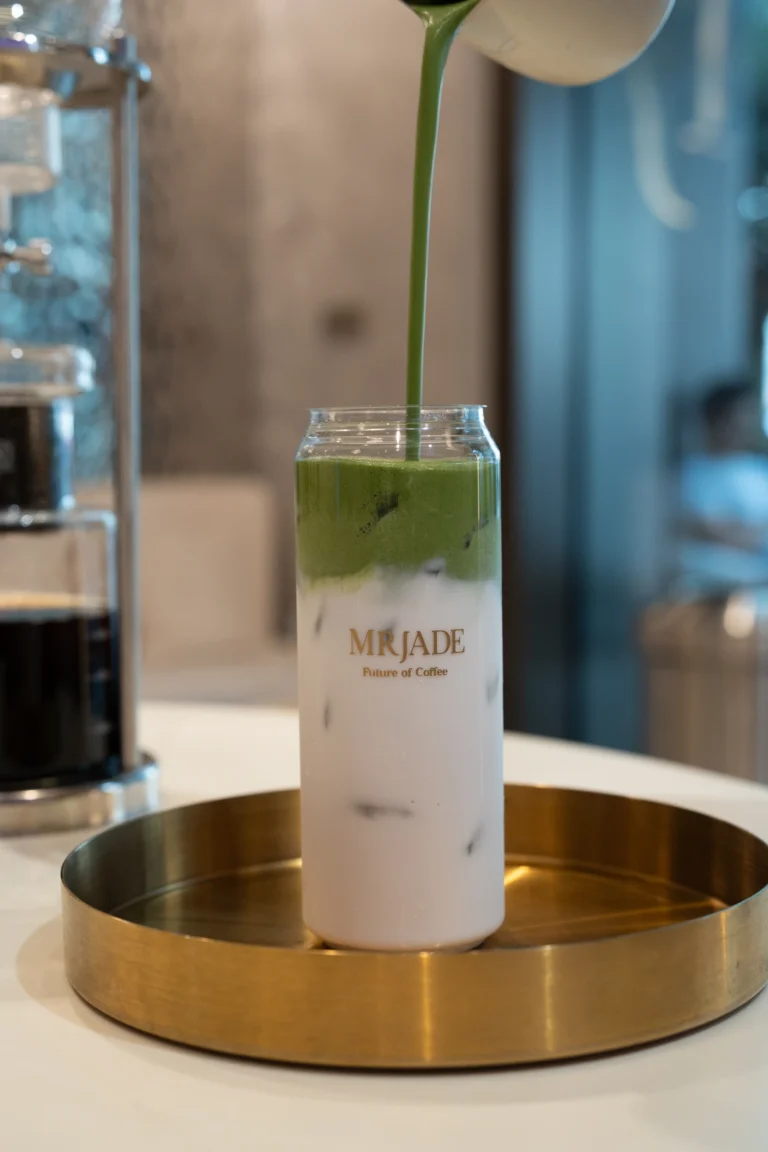
Milk changes the experience substantially. In a matcha latte, dairy or plant milk softens the vegetal edge, rounds the texture and can make the drink feel sweeter even before extra sweetener is added. That is one reason iced matcha lattes have become an easy entry point for people who find straight matcha intense.
A harsh, dull or overwhelmingly bitter cup is not the only way matcha can taste. Powder quality, water temperature, dosage, whisking and storage all affect the result.
Matcha vs green tea: what is the difference?
| Feature | Matcha | Typical brewed green tea |
|---|---|---|
| Form | Fine tea powder | Loose leaves or tea bag |
| Preparation | Whisked or mixed into liquid | Leaves are steeped, then removed |
| What you consume | The suspended tea-leaf powder remains in the drink | Mainly water-soluble compounds extracted during steeping |
| Flavor | Concentrated, vegetal, umami, often creamy | Usually lighter and more infusion-like |
| Appearance | Opaque, vivid green when fresh | Translucent green-to-gold infusion |
| Caffeine | Often higher per serving, but highly dependent on dose | Varies with leaf amount, tea type and brewing |
Be careful with viral claims such as “one cup of matcha equals ten cups of green tea.” There is no single universal conversion because serving size, cultivar, growing conditions, powder dose and brewing method all change the final composition. A useful comparison focuses on preparation and dose rather than a fixed multiplier.
Does matcha have caffeine?
Yes. Matcha naturally contains caffeine because it comes from the tea plant. The amount in a drink is not fixed: it depends on the matcha itself and, importantly, how many grams of powder are used.
Matcha also contains L-theanine, an amino acid found in tea. You may see this combination marketed as “calm energy.” That phrase is useful as a description of how some people experience the drink, but individual responses to caffeine vary. If you are sensitive to caffeine, pregnant, taking medication or managing a medical condition, treat matcha like another caffeinated beverage and ask a qualified clinician when appropriate.
What are the potential benefits of matcha?
Matcha contains tea compounds that researchers study for possible health effects, including catechins and L-theanine. But a good guide should separate what matcha contains from what it is proven to treat.
Harvard Health notes that matcha contains compounds linked with potential health benefits, while also emphasizing that stronger claims still need better evidence. That is the right level of confidence: matcha can be part of a balanced diet, but it is not a detox, a guaranteed fat burner, an immune-system treatment or a substitute for medical care.
Claims that matcha “detoxifies,” guarantees weight loss, prevents illness or delivers a completely crash-free caffeine response are too absolute. It is better to treat matcha as a tea drink with interesting compounds than as a cure-all.
Why has matcha become so popular in Dubai?
Matcha fits naturally into Dubai café culture for a few simple reasons. It works hot or cold, takes dairy and plant milks easily, has a visually distinctive green color and sits naturally beside espresso on a modern specialty-drink menu.
1. Iced matcha fits the climate
A cold matcha latte is refreshing without giving up the ritual of a prepared café drink. That makes it especially natural for warm afternoons and grab-and-go routines.
2. It is highly customizable
Coconut, oat, almond or dairy milk can change the texture and flavor. Fruit-led versions such as strawberry and passionfruit push the drink even further from traditional tea into contemporary café territory.
3. It looks different from coffee
Matcha’s vivid green appearance makes it instantly recognizable in a cup. Visual appeal is not a health benefit, but in a city with a strong hospitality and social-media culture, it matters.
4. It gives coffee drinkers another lane
Matcha offers a different flavor, preparation style and caffeine experience, so many people enjoy it alongside coffee rather than instead of it.
From classic matcha to fruit-led iced signatures.
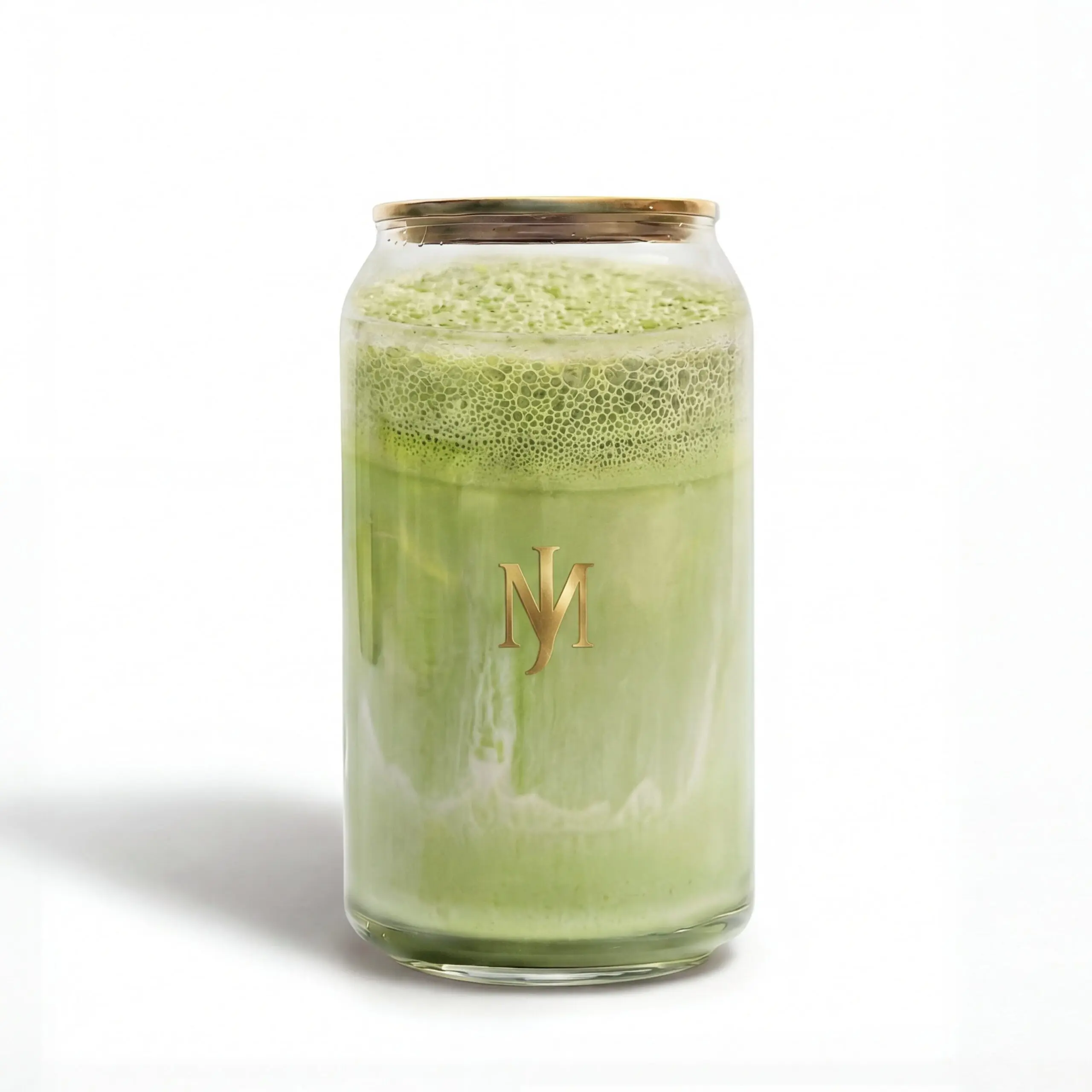
MRJADE’s current matcha menu includes a warm Matcha Latte, a signature cold MRJADE Matcha Latte with coconut milk, classic Iced Matcha Latte, Strawberry Iced Matcha Latte and Passionfruit Iced Matcha Latte. If you want matcha without the café cup, MRJADE also has a dedicated matcha powder page.
How do you prepare matcha at home?
You can make a good everyday bowl of matcha with a simple method. The traditional tools are useful, but the basic idea is simple: sift, add water, whisk, then drink as tea or add milk.
- Sift the matcha into a bowl to reduce clumps.
- Add hot water. Different traditions and products specify different temperatures, so follow the powder’s guidance.
- Whisk briskly until the powder is dispersed and a fine foam appears.
- Drink it straight, or add hot/cold milk for a latte.
The Japan Tea Central Public Interest Incorporated Association describes a traditional method using a chasen (bamboo whisk) and notes that sifting makes matcha easier to whisk without lumps.
What should you look for in matcha?
“Ceremonial grade” is widely used in retail, but shoppers should not rely on a single marketing term. Look at the complete product: origin information, freshness, aroma, color, intended use, storage and how the powder tastes when prepared.
- Color: fresh matcha is typically vivid green rather than brownish or dull.
- Aroma: look for a fresh vegetal aroma rather than stale or cardboard-like notes.
- Texture: fine powder should feel smooth and disperse well when prepared correctly.
- Use case: a powder intended for straight tea may be selected differently from one mainly used in baking or sweet lattes.
- Storage: protect matcha from heat, light, moisture and strong odors, and follow the pack instructions after opening.
Explore more matcha guides from MRJADE.
Matcha FAQ
Quick answers to the most common questions about matcha.
What exactly is matcha?
Matcha is a fine green tea powder made from specially cultivated tea leaves. The leaves are shaded, steamed, dried into tencha and finely ground. The powder is whisked into water or milk rather than steeped and removed.
Is matcha the same as green tea?
Matcha is a type of green tea, but it is produced and prepared differently from most brewed green teas. With matcha, the finely ground tea powder remains in the drink.
Does matcha contain caffeine?
Yes. Matcha naturally contains caffeine. The amount varies with the powder and how much is used, so there is no universal caffeine number for every serving or latte.
What does matcha taste like?
Matcha typically tastes vegetal and umami-rich with gentle sweetness and some bitterness. Milk makes it creamier and softens the green-tea intensity.
Is matcha healthier than coffee?
There is no universal “healthier” winner. Matcha and coffee contain different compounds and fit different preferences. Your overall diet, serving size, additions such as sugar, and personal caffeine tolerance matter more than a simple head-to-head label.
Can you drink matcha every day?
Many adults include tea in their daily routine, but matcha contains caffeine. Appropriate intake depends on the person, total caffeine consumption and individual health circumstances.
Where can I get matcha in Downtown Dubai?
MRJADE Coffee serves hot and iced matcha drinks at Burj Crown on Emaar Boulevard in Downtown Dubai.
What matcha drinks does MRJADE serve?
MRJADE’s lineup includes a hot Matcha Latte, signature cold MRJADE Matcha Latte with coconut milk, classic Iced Matcha Latte, Strawberry Iced Matcha Latte and Passionfruit Iced Matcha Latte.
Now taste matcha for yourself.
Visit MRJADE Coffee at Burj Crown on Emaar Boulevard in Downtown Dubai for hot matcha, classic iced matcha and fruit-led matcha signatures made for takeaway.