What is matcha made of?
Matcha starts as tea — but not just any tea. It comes from specially cultivated Camellia sinensis leaves that are shaded before harvest, steamed, dried, refined into tencha and finally milled into the fine green powder used in tea and lattes.
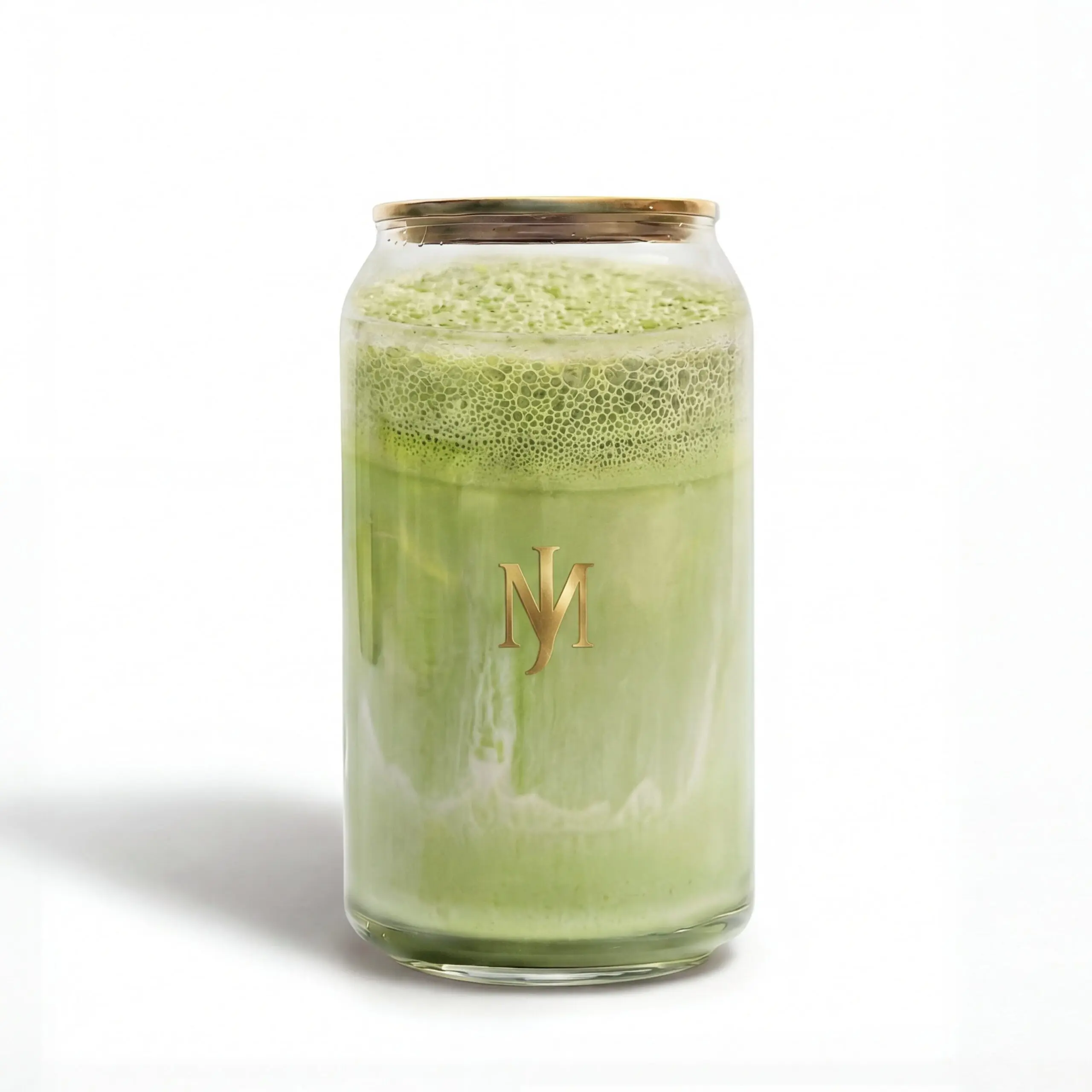
Matcha is powdered green tea made from processed tencha leaves.
More precisely, matcha comes from the Camellia sinensis tea plant. The leaves used for matcha are typically shaded before harvest, then steamed, dried and refined into tencha. The tencha is finely ground to create matcha. Because the leaf itself becomes the drink, matcha is different from ordinary brewed green tea, where the leaves are steeped and removed.
So, is matcha just powdered green tea?
Technically, matcha is a powdered green tea. But that simple description misses the part that makes matcha distinctive: how the leaf is grown and processed before it ever reaches the grinder.
Tea plants intended for matcha are usually shaded during the final stage before harvest. After picking, the leaves are steamed to limit oxidation, dried and processed into tencha. Stems and veins are removed during tencha production, leaving the soft leaf material that can be milled into a very fine powder.
That matters because you do not steep matcha and throw the leaf away. The powder is whisked into the drink, so the tea leaf itself remains part of what you consume.
Five steps between the tea field and the powder.
Production details vary by grower and grade, but authentic matcha follows a recognisable path from shaded tea leaf to refined tencha and then powder.
Shade
Tea plants destined for matcha are shaded before harvest. Shading affects the leaf’s chemistry, including compounds associated with colour, aroma and umami.
Harvest
Suitable leaves are picked for processing. Harvest timing and leaf selection influence flavour, texture and final quality.
Steam
The fresh leaves are steamed soon after harvest. This limits oxidation and helps retain the green character associated with Japanese green tea.
Make tencha
The tea is dried and refined, with coarse stem and vein material removed to create tencha — the leaf material used to make matcha.
Mill
The tencha is ground into an exceptionally fine powder. Traditional stone milling is one well-known method, although modern production can use other specialised mills.
What is matcha made of chemically?
Pure matcha is not a manufactured blend of “wellness ingredients.” Its notable compounds occur naturally in the tea leaf, and their amounts vary by cultivar, growing conditions, harvest and processing.
A natural stimulant
Matcha naturally contains caffeine. The exact amount depends on the tea and how much powder is used in a serving.
An amino acid in tea
L-theanine occurs naturally in tea. Shading can influence its concentration and is one reason matcha is associated with a pronounced umami character.
Tea polyphenols
Matcha contains catechins, including EGCG. These are plant polyphenols widely studied for their antioxidant activity.
Part of the green colour
Chlorophyll contributes to matcha’s green appearance. Shade cultivation can increase chlorophyll accumulation in the leaf.
Matcha is studied for its caffeine, L-theanine, catechins and other plant compounds, but it should not be presented as a cure, “detox,” cancer treatment or guaranteed fat-burning product. Human evidence for specific health outcomes is still developing.
Same tea plant. Different experience.
Both come from Camellia sinensis, but the cultivation, processing and way you drink them are different.
| Feature | Matcha | Typical loose-leaf green tea |
|---|---|---|
| Plant | Camellia sinensis | Camellia sinensis |
| Pre-harvest shading | Characteristic part of matcha production | Not required for many green teas |
| Final form | Fine powder | Whole or broken dried leaves |
| Preparation | Powder is whisked or mixed into the drink | Leaves are steeped, then removed |
| What you consume | The suspended tea powder itself | Mainly the water-soluble compounds extracted during steeping |

Pure matcha has one ingredient. The latte is where the recipe begins.
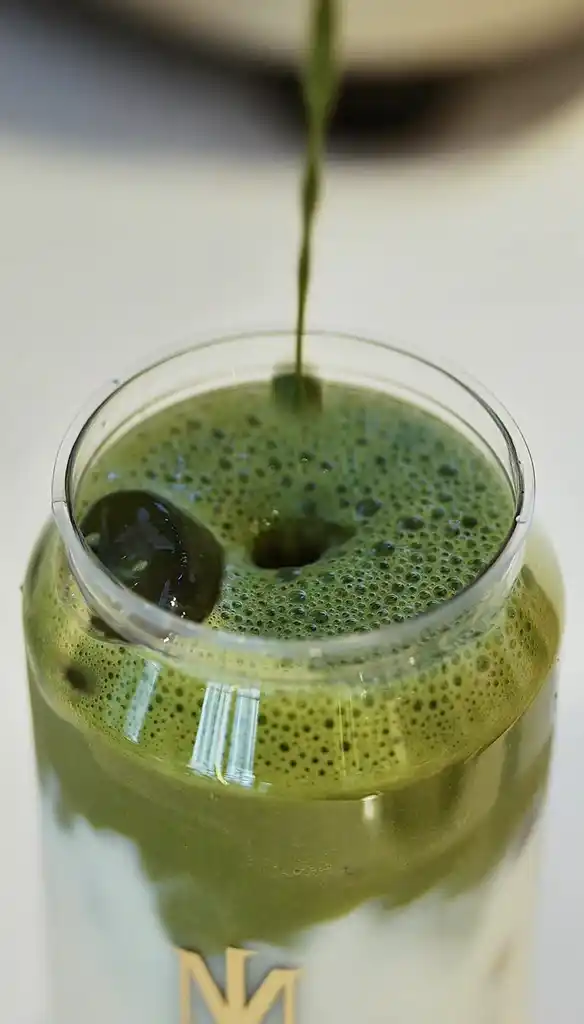
Pure matcha powder is tea. A matcha latte adds water and milk, and some recipes may also include sweetener or flavour. That distinction is useful when you are comparing a tin of matcha powder with a café drink.
What does good matcha look like?
Colour alone is not a complete quality test, but appearance, aroma, texture and flavour together can tell you a lot.
Fresh, well-made matcha is normally green rather than dull brown or yellow. Shade, cultivar, age and storage all affect colour.
The powder should feel exceptionally fine rather than gritty. A fine grind helps matcha disperse more smoothly when whisked.
Quality matcha can show sweetness, savoury umami, gentle vegetal notes and some bitterness. “Good” does not mean completely bitterness-free.
What about “ceremonial grade” and “culinary grade”?
You will see both labels widely used in shops and cafés. They are useful commercial shorthand, but they are not a single globally enforced grading system. In practice, producers and sellers may use the terms differently.
For drinking straight or making a lightly sweetened latte, people often prefer matcha with a smoother, more refined flavour. For baking or strongly flavoured recipes, a more robust powder can work well because its character needs to remain noticeable alongside other ingredients.
A better buying question is therefore: Where is it from, how fresh is it, how was it stored, and does its flavour fit the way you plan to use it?
How we think about matcha at MRJADE.
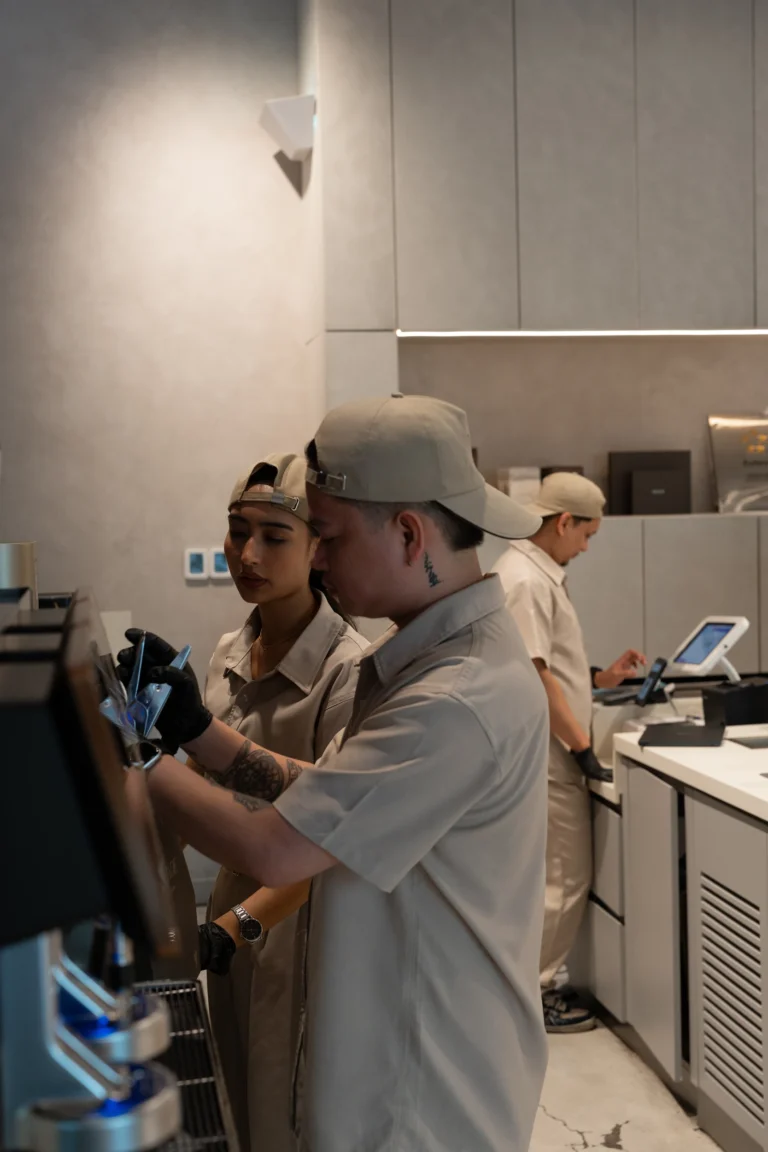
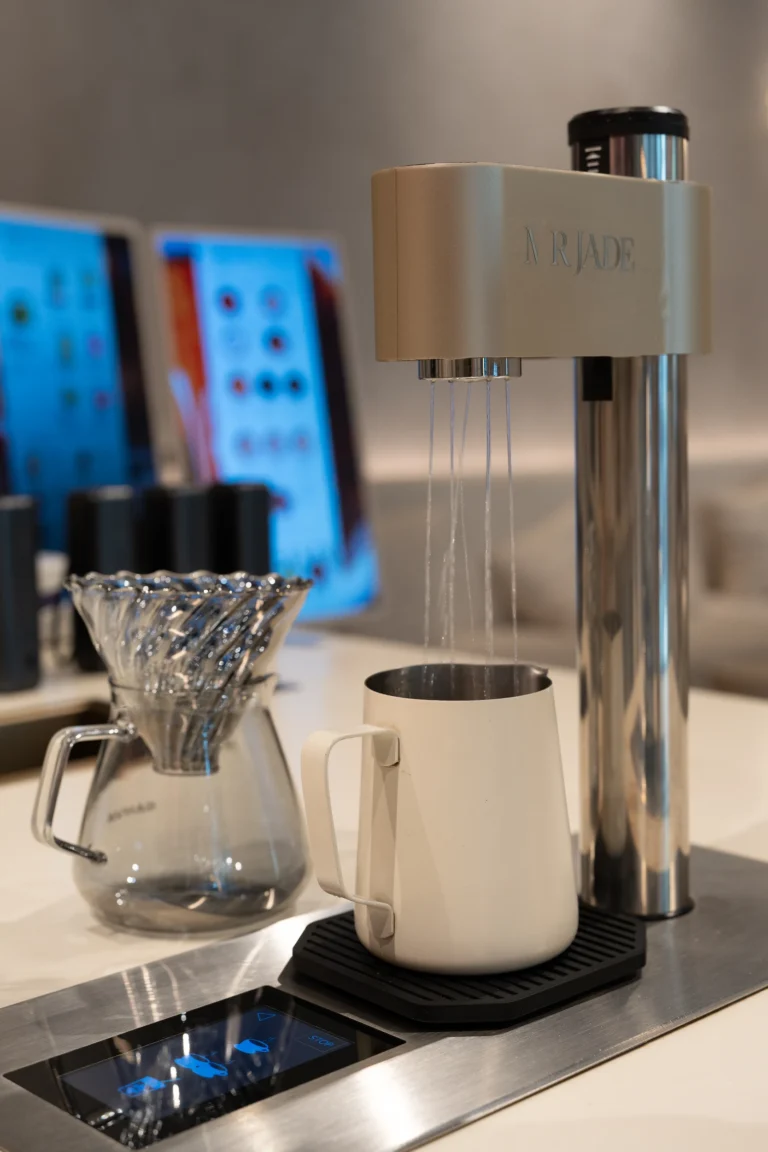
At MRJADE Coffee, matcha sits alongside espresso as its own drink category — not as a green afterthought. We serve it hot and iced, including latte-style drinks designed for the pace and climate of Downtown Dubai.
If you want to taste the difference between plain matcha powder and a prepared café drink, start with our matcha latte menu, explore the iced matcha latte, or read our guide to what matcha is.
You can find MRJADE Coffee at Burj Crown on Emaar Boulevard in Downtown Dubai, close to Dubai Opera, Burj Khalifa and The Dubai Mall.
Questions people ask about what matcha is made of.
What is matcha made of?
Matcha is made from green tea leaves from the Camellia sinensis plant. The leaves are shaded before harvest, steamed, dried and processed into tencha, then finely ground into matcha powder.
Is matcha just powdered green tea?
It is a powdered green tea, but authentic matcha uses a specific cultivation and processing method. The leaf is shaded before harvest and made into tencha before milling.
Does pure matcha contain sugar?
Pure matcha powder does not inherently contain added sugar. A prepared matcha latte may contain sweetener depending on the recipe, so check the ingredients of the actual drink or premix.
Does matcha contain milk or dairy?
Pure matcha powder does not contain milk. Milk or a plant-based alternative is added when matcha is made into a latte.
Does matcha have caffeine?
Yes. Matcha naturally contains caffeine. The amount depends on the tea itself and the quantity of powder used in the drink.
What is tencha?
Tencha is the processed tea leaf material used to make matcha. After the leaves are steamed and dried, coarse stems and veins are removed before the leaf material is finely milled.
Is matcha the same as a matcha latte?
No. Matcha is the tea powder itself. A matcha latte is a prepared drink made by combining matcha with water and milk, and sometimes sweetener or flavouring.
References & further reading
- Kochman J, et al. Health Benefits and Chemical Composition of Matcha Green Tea: A Review. Molecules. 2020. PubMed
- Koláčková T, et al. and related literature summarised in the above review on caffeine, catechins, chlorophyll and L-theanine in matcha.
- Critical review of human and animal matcha studies: PMC.
Now you know what is in the powder. Come taste what happens next.
Matcha latte, iced matcha and specialty coffee — made at Burj Crown on Emaar Boulevard for quick takeaway or a Downtown stop.