
Ceremonial vs Culinary Matcha: what’s the difference?
Ceremonial matcha is made for whisking and sipping. Culinary matcha, the “regular” everyday powder, is made for lattes, baking and smoothies. Here is how they differ, which to buy, and how to judge any tin.
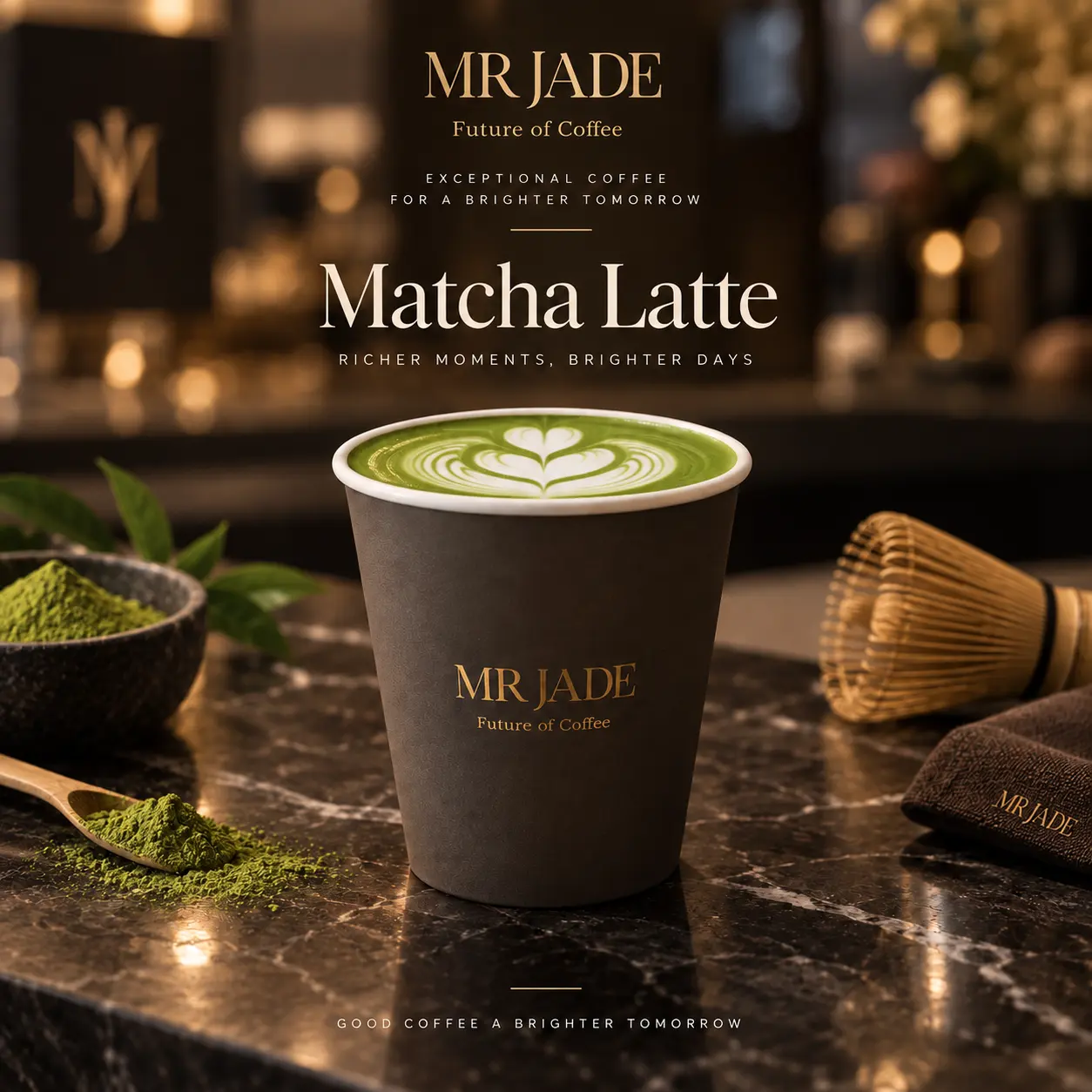
What is the difference between ceremonial and culinary matcha?
Ceremonial matcha is the smoother, sweeter, more umami-rich powder made for whisking with water. Culinary matcha is the stronger, more bitter “regular” powder made for lattes with bold flavours, baking and smoothies. Both are ground green tea; the difference is mainly the leaf, the flavour and the intended use.
The two names are commercial labels, not one legally enforced grading system. Judge a tin on origin, ingredients and freshness, not the label alone.
| Ceremonial | Culinary | |
|---|---|---|
| Made for | Whisking with water, and matcha-forward drinks | Lattes with strong flavours, baking, smoothies, cooking |
| Flavour | Smoother, sweeter, umami-rich, less bitter | More robust, more bitter and astringent |
| Colour | Typically a vivid, bright green | Often a duller or yellower green |
| Leaves | Typically from younger, carefully shaded leaves | Typically from more mature leaves |
| Texture | Ultra-fine powder that whisks smoothly | Can be slightly coarser |
| Price | Usually higher | Usually lower |
| Best with | Water, or lightly sweetened milk | Milk with sweetener, or mixed into recipes |
These are typical differences. Sellers use the labels in different ways, so a few products will not follow this pattern.
Where the difference comes from.
Both start as Camellia sinensis tea plants shaded before harvest, which is covered in what matcha is made of. The gap opens up in the leaf, the processing and the intended use.
The leaf
Ceremonial powders are typically made from the younger, more tender leaves, which give a sweeter, softer cup. Culinary powders usually use more mature leaves, which taste stronger.
The grind
Matcha is stone-ground into an ultra-fine powder. A finer powder whisks more smoothly into water or milk and feels less gritty on the tongue.
The flavour
Ceremonial leans sweet, vegetal and umami. Culinary leans bold and bitter, which is useful when the powder has to stand out against milk, sugar or baked ingredients.
The use
Ceremonial is meant to be tasted on its own. Culinary is meant to be an ingredient. That difference in purpose is what the labels really describe.
Pick by how you’ll use it.
The right matcha depends on the drink or recipe, not on the highest label.
| You’re making… | Best choice | Why |
|---|---|---|
| Matcha whisked with water | Ceremonial | Nothing hides the flavour, so smoothness matters most |
| A matcha latte, hot or iced | Ceremonial, or a good culinary | Ceremonial gives a smoother, less bitter latte. See how to make a matcha latte |
| A latte with strawberry, coconut or other bold flavours | Either | Strong flavours cover the finer notes, so budget can decide |
| Baking, cookies and cakes | Culinary | A bolder powder stays noticeable once baked |
| Smoothies and cooking | Culinary | Other ingredients mask the subtle notes of a premium powder |
Five checks for any tin, plus a taste test.
“Ceremonial” on a label is a marketing term, so these checks tell you more than the word does.
1. Origin
A named country and region beats a vague claim. Japan is the traditional home of matcha.
2. Ingredients
It should say 100% matcha, with no added sugar, flavouring or filler.
3. Colour and smell
Look for a vivid green and a fresh, sweet, grassy aroma. A dull yellow or brown tone and a hay-like smell point to older powder.
4. Texture
Good matcha feels silky between your fingers and dissolves without clumping or grit.
5. Freshness
Matcha dulls with air, light and time. Buy a size you will finish and keep it sealed and cool.
The taste test
Whisk a small amount in warm water. A smooth, slightly sweet, umami cup is a good sign. A harsh, bitter one is not.
The matcha behind every MRJADE drink.
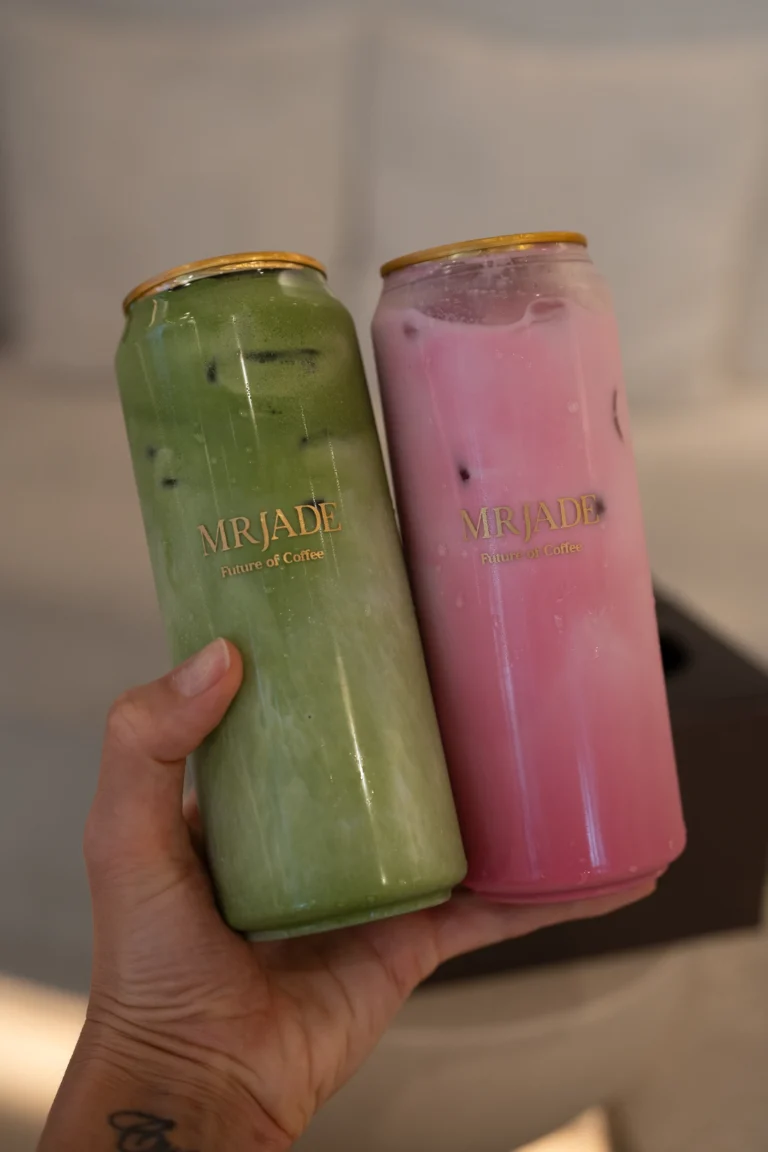
Every matcha drink at MRJADE is made with ceremonial-grade matcha sourced from Japan.
| Grade | Ceremonial |
|---|---|
| Origin | Japan |
| Leaves and grind | Shade-grown tea leaves, stone-ground to an ultra-fine powder |
| Ingredients | 100% matcha, with no added sugar, artificial flavouring or preservatives |
| Take it home | Matcha powder in 30 g, 50 g and 100 g tins |
| Milk choices (Iced Matcha Latte) | Oat, almond, coconut, whole dairy or skimmed dairy |
| Drinks | Eight matcha drinks, from a classic Matcha Latte to Pink, Cloud and the Luxury Matcha Experience |
More MRJADE matcha guides.
From the basics to the caffeine question.
| What is matcha? | Taste, benefits and why Dubai loves it |
|---|---|
| What is matcha made of? | From tencha leaf to powder |
| Does matcha have caffeine? | How much, and how it compares with coffee |
| Matcha vs coffee | Energy, taste and how to choose |
| How to make a matcha latte | Hot and iced, step by step |
| Is matcha healthy? | What matcha does and does not do |
Prefer Arabic? Read أفضل ماتشا في وسط مدينة دبي.
Key takeaways
- Ceremonial matcha is the smoother, sweeter powder for whisking. Culinary matcha is the bolder, “regular” powder for baking, smoothies and strongly flavoured lattes.
- The two terms are commercial labels, not a single enforced standard, so check origin, ingredients and freshness.
- For a latte, ceremonial gives a smoother, less bitter cup, but a good culinary powder also works.
- For baking and smoothies, culinary is usually the better value.
- MRJADE uses ceremonial-grade matcha sourced from Japan in every matcha drink, and sells the powder in 30 g, 50 g and 100 g tins.
Ceremonial vs culinary matcha: your questions
Short answers before you buy.
What is the difference between ceremonial and culinary matcha?
Ceremonial matcha is sold for whisking with water and is usually described as smoother, sweeter and more umami-rich. Culinary matcha is sold for lattes with strong flavours, baking and smoothies and tends to taste more robust and bitter. The terms are commercial labels, not a single legally enforced grading system, so producers can use them differently.
Is ceremonial matcha better than culinary matcha?
Not in every situation. Ceremonial matcha is the better choice when matcha is the main flavour, such as whisked with water or in a lightly sweetened latte. Culinary matcha can be the smarter choice in baking or strongly flavoured recipes, where its stronger character holds up and a premium powder would be wasted.
What is “regular” matcha?
People usually mean culinary-grade matcha, the everyday powder sold for lattes, baking and smoothies. There is no official grade called regular matcha, so check the origin, ingredients and how the seller describes the tin.
Can I use ceremonial matcha in a latte?
Yes. Many cafés do, including MRJADE, where every matcha drink is made with ceremonial-grade matcha sourced from Japan. Milk softens some of the finer flavour notes, so the main benefit is a smoother, less bitter latte.
Can I drink culinary matcha with water?
You can, and it is safe to drink, but it usually tastes stronger and more bitter than a ceremonial powder. Many people prefer culinary matcha with milk and a little sweetener.
Why is ceremonial matcha more expensive?
Premium matcha generally costs more because it is usually made from carefully shaded young leaves, processed into fine powder in small quantities and sold fresh. Price alone does not prove quality, so judge a tin on origin, freshness and ingredients as well.
Does ceremonial matcha have more caffeine than culinary matcha?
There is no reliable rule. Caffeine depends on the leaf, the amount of powder and how the drink is made, not on the label. Our guide to matcha and caffeine covers how much a typical serving contains.
How can I tell if a matcha is good quality?
Check the origin, whether the ingredients are 100% matcha with no added sugar, and how fresh it is. A vivid green colour, a sweet grassy aroma and an ultra-fine texture are good signs. A dull yellow or brown tone, a hay-like smell or a gritty feel suggest older or lower-quality powder.
What grade of matcha does MRJADE use?
MRJADE uses ceremonial-grade matcha sourced from Japan. Our matcha powder is described as shade-grown and stone-ground, with no added sugar, artificial flavouring or preservatives, and is sold in 30 g, 50 g and 100 g tins.
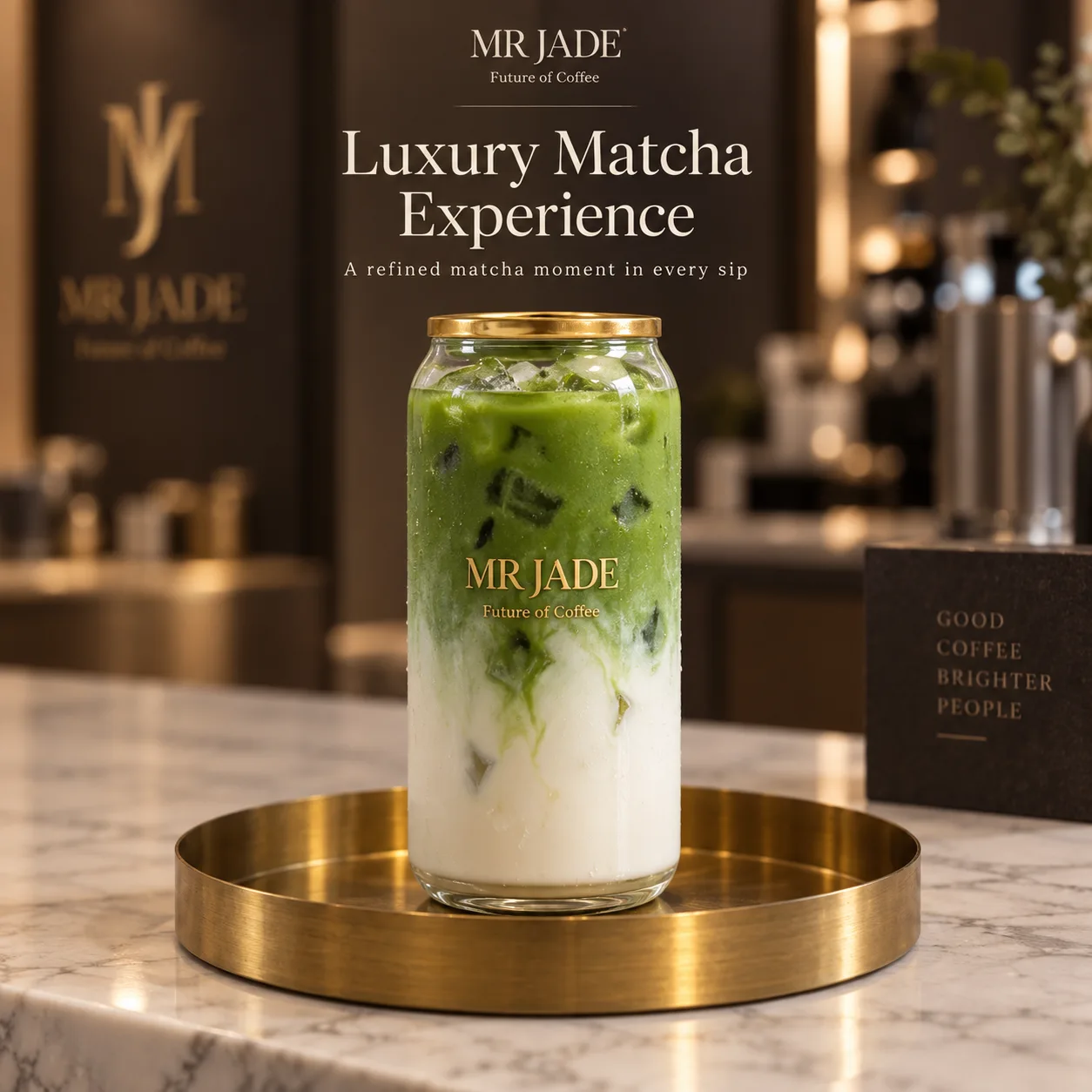
Taste ceremonial matcha on the Boulevard.
MRJADE Coffee, R01, Burj Crown, Emaar Boulevard, Downtown Dubai, UAE.
Hours: Sunday–Thursday 7 AM–11 PM · Friday–Saturday 7 AM–12 AM

One Comment