Matcha tea benefits:
what does the evidence really support?
Matcha contains caffeine, L-theanine, catechins and other plant compounds. That makes it nutritionally interesting — but it does not make it a detox, miracle fat burner or treatment for disease. Here is the useful, evidence-led version.
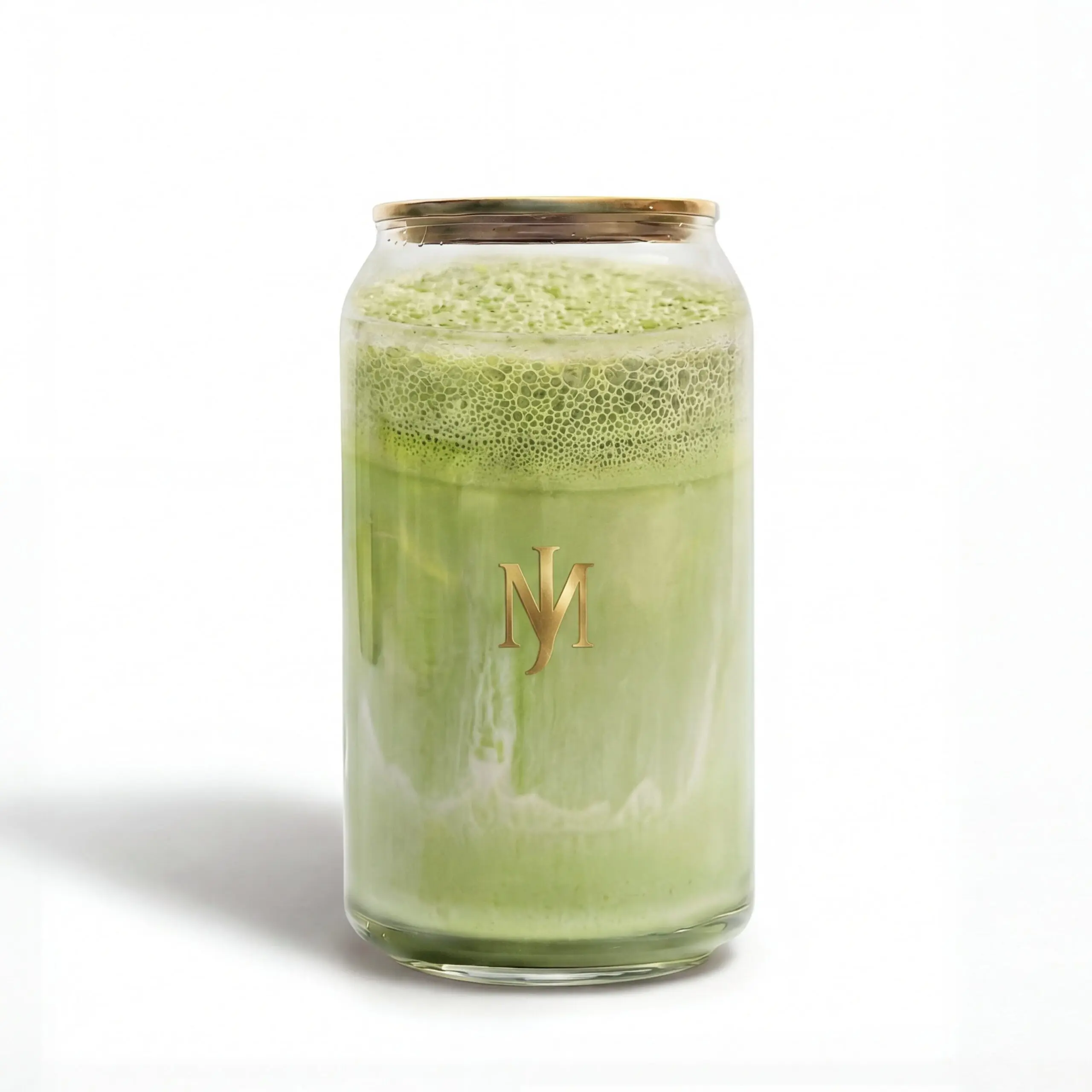
The clearest matcha benefits come from what is naturally in the tea leaf.
Matcha provides caffeine, the amino acid L-theanine and polyphenols including tea catechins. Research supports antioxidant activity and suggests potential effects on attention and mood. But many popular claims — especially “detox,” guaranteed weight loss, disease prevention and “no crash” energy — are stronger than the current human evidence.
Six benefits worth understanding properly.
Think of these as evidence-informed reasons matcha can fit a healthy routine — not medical promises.
1. A source of tea polyphenols
Matcha contains catechins, including EGCG, as well as other plant compounds with antioxidant activity. Because the powdered leaf is consumed rather than removed after steeping, matcha delivers the leaf material itself.
What this does not mean: antioxidants make matcha a cure or a guaranteed disease-prevention drink.2. Caffeine for alertness
Matcha naturally contains caffeine. Caffeine can increase alertness, although the amount in a cup depends on the powder and serving size.
Too much caffeine can still cause jitters, anxiety, nausea, sleep disruption or headache.3. L-theanine alongside caffeine
L-theanine is a characteristic tea amino acid. Research on L-theanine with caffeine suggests possible benefits for some attention and mood outcomes, which is one reason matcha can feel different from coffee.
Individual response varies. “Calm focus with zero crash” is not a guaranteed effect.4. An easy way to add tea to your routine
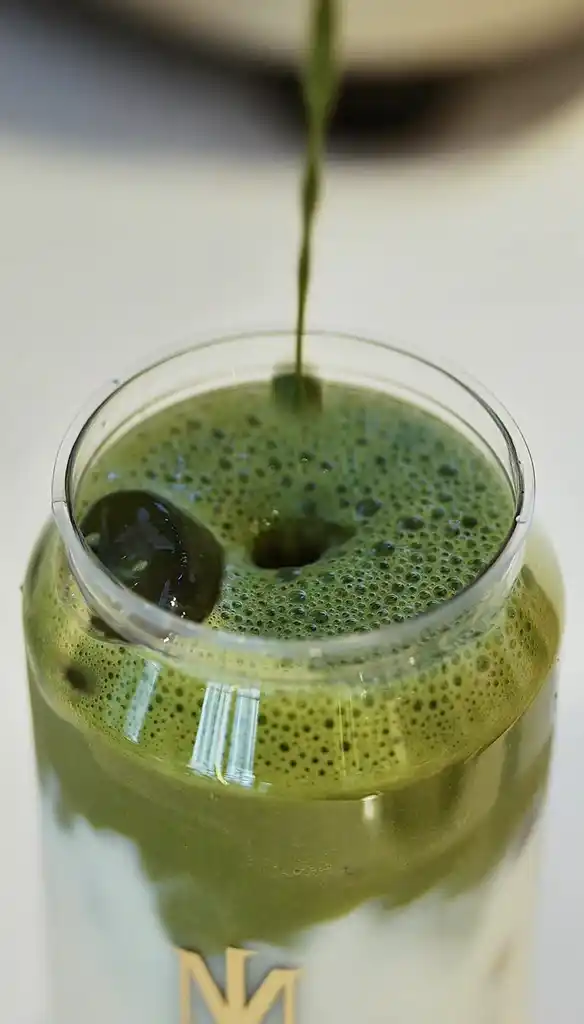
Matcha works as tea, an iced drink or a latte. For people who genuinely enjoy it, that makes regular tea intake easier to sustain than forcing a beverage they do not like.
Practical adherence matters more than marketing labels.5. Possible cardiometabolic effects
Green-tea compounds have been studied in relation to lipids, blood pressure, glucose regulation and energy metabolism. Matcha-specific human trials remain limited, so these findings should not be turned into treatment claims.
Useful research area; not a substitute for medical care or established risk reduction.6. Possible stress and cognitive effects
Small studies and broader tea research suggest interest around stress, memory, attention and cognitive performance, particularly because matcha combines caffeine with L-theanine.
The direct matcha evidence base is still much smaller than social-media claims imply.Three popular matcha promises that need a reality check.
Better content builds trust by separating what matcha contains from what marketers want it to promise.
“Matcha detoxes the body.”
Matcha contains chlorophyll and polyphenols, but that does not establish that it removes toxins or heavy metals. The body’s normal detoxification work is primarily handled by organs such as the liver and kidneys.
“Matcha burns fat.”
Green-tea catechins and caffeine have been studied in energy metabolism and fat oxidation. That is not the same as proving that drinking matcha causes meaningful long-term weight loss.
“Matcha prevents disease.”
Laboratory, animal and observational findings are scientifically interesting, but they do not justify claiming that a matcha drink prevents cancer, cardiovascular disease, infection or other conditions.
Matcha is different from ordinary brewed green tea.
Matcha is made from specially cultivated tea leaves that are processed into tencha and then milled into a fine powder. When you prepare matcha, that powder stays in the drink. With conventional loose-leaf tea, the leaf is usually steeped and removed.
That is one reason matcha is often described as a concentrated way to consume tea compounds. But concentration alone does not tell you exactly what a drink will do in the human body. Dose, preparation, individual metabolism and the rest of your diet all matter.
If you want the production side first, read our guide to what matcha is made of. For a direct beverage comparison, see matcha vs coffee.

A good daily ritual still has to be a drink you actually want.
Matcha’s nutrition story is interesting, but flavour is still the reason it belongs on a café menu. Hot, iced or with milk, the best version is the one you enjoy enough to choose again.
Matcha is still a caffeinated drink.
One of the most misleading wellness ideas is that matcha is somehow “clean energy” while coffee is “bad energy.” Both deliver caffeine. The exact amount in matcha varies with the product and quantity used, and sensitivity to caffeine varies from person to person.
If caffeine affects your sleep, causes palpitations, anxiety, nausea or headaches, more matcha is not automatically a gentler solution. Total caffeine from coffee, tea, energy drinks, supplements and other sources all counts.
Caffeine guidance can be different in those situations. Use advice from your own clinician rather than a café blog as the final word.
Three smarter ways to think about daily matcha.
The benefit of a beverage depends partly on what is added to it and how it fits the rest of the day.
Matcha powder and a matcha latte are not nutritionally identical.
Pure matcha is tea powder. A latte may add milk, plant drink, syrup or sugar depending on the recipe.
Serving size matters.
More powder generally means more caffeine. Count other caffeinated drinks when thinking about your daily total.
A ritual is easier to keep when you enjoy it.
Smooth texture, umami and gentle bitterness are part of matcha’s appeal. Health claims should not be the only reason to drink it.
A better reason to order matcha in Downtown Dubai: you genuinely like matcha.
At MRJADE Coffee, matcha is treated as a proper drink category alongside espresso — not as a magic wellness shortcut. You can order it hot or iced and explore different matcha-led drinks depending on your mood.
Start with our matcha latte menu, explore the iced matcha latte, or see the matcha powder.
MRJADE Coffee is at Burj Crown on Emaar Boulevard in Downtown Dubai, close to Dubai Opera, Burj Khalifa and The Dubai Mall.
The health questions worth answering carefully.
What are the main benefits of matcha tea?
Matcha provides caffeine, L-theanine and tea polyphenols such as catechins. Research supports antioxidant activity and suggests possible effects on attention and mood, while many longer-term health claims still need stronger direct human evidence.
Does matcha give energy without a crash?
Matcha contains both caffeine and L-theanine. Some people prefer how this combination feels, but a no-jitters or no-crash response is not guaranteed.
Does matcha help with weight loss?
Catechins and caffeine have been studied for effects on energy metabolism, but drinking matcha has not been established as a standalone weight-loss treatment.
Does matcha detox the body?
No good evidence shows that matcha specifically removes toxins or heavy metals from the body. Matcha contains useful plant compounds, but “detox” is not a scientifically precise benefit claim.
Is matcha good for the heart?
Green-tea compounds are studied in relation to cardiovascular risk factors, but matcha-specific clinical evidence remains limited. It should not be treated as a therapy for blood pressure, cholesterol or cardiovascular disease.
Is matcha good for skin?
Matcha contains antioxidant and anti-inflammatory compounds, but claims that drinking matcha clears acne, prevents UV damage or reverses skin ageing go beyond the direct clinical evidence.
How much matcha should I drink?
There is no single evidence-based matcha-specific daily serving for everyone. Your total caffeine intake, sensitivity, medications and health circumstances matter more than a fixed “1–2 cups” rule.
References & further reading
Keep the benefits realistic. Keep the matcha worth coming back for.
Hot matcha, iced matcha, specialty coffee and fast takeaway at Burj Crown on Emaar Boulevard.