Washed vs Natural vs Honey Process Coffee: what’s the difference?
Coffee beans are the seeds of a fruit, and how that fruit is removed after picking changes how your coffee tastes. Here is how washed, natural and honey processing work, what each tastes like, and how to spot them on a coffee label, plus where to taste specialty coffee on Emaar Boulevard, near Dubai Mall.


What is the difference between washed, natural and honey processed coffee?
Washed coffee has the fruit removed and the beans fermented and washed before drying, giving a clean, bright cup. Natural (dry) coffee is dried whole inside the fruit, giving a sweeter, fruit-forward, heavier cup. Honey process removes the skin but dries the beans with some sticky fruit flesh left on, landing in between: sweet, rounded and balanced.
In short: washed for clarity, natural for fruit and body, honey for sweetness and balance.
| Washed | Natural | Honey | |
|---|---|---|---|
| Also called | Wet process | Dry process | Pulped natural (in Brazil) |
| Fruit removed | Before drying | After drying | Skin removed; some flesh left on |
| Water use | High | Low | Low to medium |
| Flavour | Clean, bright, crisp | Fruity, winey, jammy | Sweet, rounded, syrupy |
| Acidity | Higher, more defined | Lower | Medium |
| Body | Light to medium | Heavy | Medium to full |
| Consistency | Most consistent | Most variable | Moderate |
| Best for | Tasting origin clearly | Fruit lovers | Sweet, balanced cups |
These are typical tendencies; farm, variety and roast also shape the final taste.
Why coffee needs processing.
Coffee grows as a small red or yellow fruit called a cherry. Inside are usually two seeds: the coffee beans. Before beans can be roasted, the skin, pulp and sticky layer of mucilage must be removed and the beans dried to a stable moisture level. How and when the fruit comes off is called processing, and it can change flavour as much as origin or roast. It is one of the steps in the farm-to-cup journey.
Skin
The outer layer of the coffee cherry.
Pulp
The sweet fruit flesh under the skin.
Mucilage
A sticky, sugary layer clinging to the bean. In honey process, this is the “honey”.
Parchment
A papery shell around the bean, removed before export.
Washed process.
In the washed process, cherries are pulped to remove the skin and fruit, then the beans sit in tanks to ferment, which breaks down the sticky mucilage. They are washed clean and dried on patios or raised beds. Because the fruit is removed early, washed coffee tastes more of the bean itself: clean, crisp and bright, with clear acidity. It is common in parts of Central and South America and East Africa.
| Step | What happens |
|---|---|
| 1. Sort | Ripe cherries are picked and sorted; floaters are removed. |
| 2. Pulp | A machine strips the skin and most of the fruit. |
| 3. Ferment | Beans rest in water tanks so the mucilage breaks down. |
| 4. Wash | Beans are washed clean of any remaining fruit. |
| 5. Dry | Beans dry to a stable moisture level before milling. |
Natural (dry) process.
The natural process is the oldest method. Whole cherries are spread out in the sun to dry, often for several weeks, and turned regularly so they dry evenly. Only then is the dried fruit removed. Because the bean sits inside the fruit as it dries, it picks up sweet, fruity flavours: think berries, tropical fruit or even a wine-like note, with a heavier body. It needs little water but careful handling, as uneven drying can cause defects. It is traditional in Ethiopia, Yemen and Brazil.
Flavour
Ripe fruit, berries, jam and sometimes a winey note.
Body
Heavy and syrupy.
Water
Very little needed, which suits dry regions.
Risk
Needs careful drying; poor handling can taste fermented or musty.
Honey process.
Honey process has nothing to do with bees. The cherries are pulped to remove the skin, but some or all of the sticky mucilage is left on the bean while it dries. That sugary layer looks like honey and gives the coffee extra sweetness and body without the full fruitiness of a natural. Producers often label honey coffees by colour, from yellow to red to black, depending on how much mucilage is left and how slowly they dry. It is closely associated with Costa Rica.
Yellow honey
Less mucilage, faster drying; lighter and cleaner.
Red honey
More mucilage, slower drying; sweeter and fuller.
Black honey
Most mucilage, slowest drying; richest and most fruit-forward.
Overall
Sweet, rounded and balanced between washed and natural.
Other processing methods you may see.
Specialty producers keep experimenting. You may see these terms on bags and menus.
| Anaerobic fermentation | Fermented in sealed, oxygen-free tanks for intense, unusual fruit flavours. |
|---|---|
| Carbonic maceration | Whole cherries fermented in carbon dioxide, borrowed from winemaking. |
| Wet-hulled (giling basah) | Common in Indonesia; earthy, full-bodied and low in acidity. |
| Semi-washed | Partly washed; a halfway point between washed and natural. |
How to taste the difference at home.
The best way to understand processing is a side-by-side tasting, sometimes called a cupping. Buy a washed and a natural coffee, ideally from the same country and roasted to a similar level, so the process is the main difference. Brew both the same way, black, with the same grind, dose and water, and taste them as they cool. You will usually notice the washed coffee tastes cleaner and brighter, while the natural feels heavier and fruitier. Add a honey-processed coffee as a third cup and you will find it sits neatly in between.
Keep it fair
Same origin, similar roast, same recipe, so only the process changes.
Drink it black
Milk and sugar hide the subtle differences.
Taste as it cools
Fruit and acidity become clearer as the coffee drops from hot to warm.
Take notes
Write down sweetness, acidity, body and any fruit you notice.
Which processing suits which drink?
Processing flavours come through most clearly in black coffee. Milk tends to round them off. Use this as a rough guide, then follow your taste. For the right grind, see our coffee grind size guide.
| Drink | Great with | Why |
|---|---|---|
| V60 pour-over | Washed or natural | Clean extraction shows clarity or fruit |
| Espresso | Honey or natural | Sweetness and body make a rich shot |
| Milk drinks | Natural or honey | Fuller body stands up to milk |
| Cold brew | Natural | Fruity sweetness shines when cold |
Specialty coffee at MR JADE.
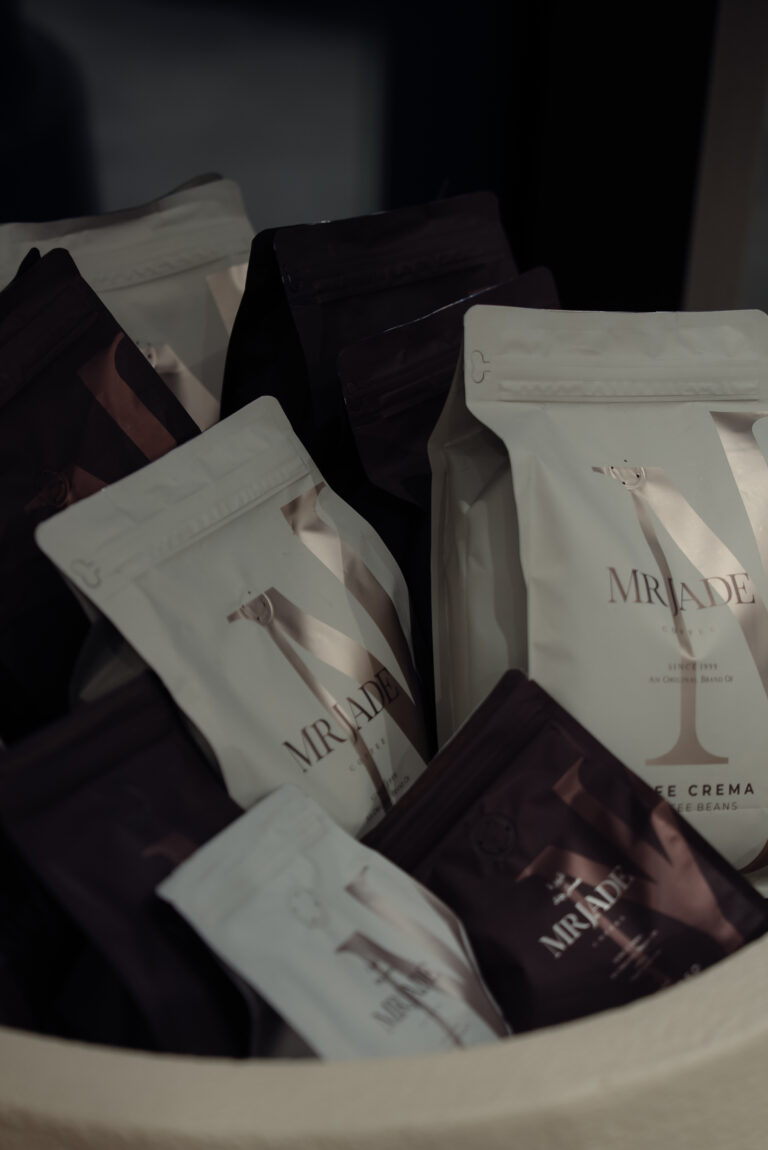
Our coffee is MR JADE’s own specialty roast, rooted in a roasting tradition passed down from Jade Sen’s grandfather. Taste it black as an espresso or hand-brewed V60 to notice the character of the coffee, or with fresh milk delivered daily from a farm in Dubai, oat milk, or coconut milk from Bali. Curious about the coffee in today’s cup? Ask the barista. Read more in what is specialty coffee? and single origin vs blend.
Specialty coffee near Downtown’s landmarks.
MR JADE Coffee is at R01, Burj Crown, Emaar Boulevard, near Dubai Mall. Sit at our outdoor tables, grab it as takeaway, or order through Deliveroo or noon Food via our delivery page.
| On Emaar Boulevard | Right on the Boulevard at Burj Crown |
|---|---|
| Near Dubai Mall | Open from 7 AM |
| Near Burj Khalifa | A few minutes along Emaar Boulevard |
| Specialty coffee Downtown | Our full coffee experience |
Key takeaways
- Processing is how the coffee fruit is removed from the bean and the bean is dried.
- Washed coffee is clean and bright; natural is fruity and heavy; honey is sweet and balanced.
- Washed uses the most water; natural uses the least.
- Processing flavours show most clearly in black coffee such as V60 and espresso.
- Newer methods such as anaerobic fermentation create even more intense, unusual flavours.
- Taste MR JADE’s own specialty roast at R01 Burj Crown, Emaar Boulevard, from 7 AM daily.
Coffee processing: your questions
Short answers before you order.
What does washed coffee mean?
The fruit is removed and the beans are fermented and washed before drying, giving a clean, bright, crisp cup.
What does natural process coffee mean?
The whole coffee cherry is dried in the sun before the fruit is removed, giving a sweeter, fruitier, heavier cup.
Does honey process coffee contain honey?
No. “Honey” refers to the sticky fruit layer left on the bean during drying, which looks like honey and adds sweetness.
Which coffee process is best?
None is best. Washed suits people who like clarity, natural suits fruit lovers, and honey suits those who want sweetness and balance.
Does processing affect caffeine?
Not meaningfully. Caffeine depends mainly on the species, dose and brew method. See our caffeine chart.
Why does natural coffee taste fruity?
The bean dries inside the fruit, absorbing sugars and fruity compounds from the pulp as it dries.
Which process is more sustainable?
Natural and honey use much less water than washed, which matters in dry regions, though all can be done responsibly.
How do I find the process on a coffee bag?
Specialty bags usually list it near the origin, as “washed”, “natural”, “honey” or a specific technique.
Is natural process coffee lower quality?
No. When dried carefully, natural coffees can score very highly and are prized for their fruit and sweetness. Poor drying is the risk, not the method itself.
Which process is best for espresso?
Honey and natural coffees often make sweet, full-bodied espresso, while washed coffees make brighter, cleaner shots. It comes down to taste.
Does roast level hide processing flavours?
Darker roasts can mute them. Lighter and medium roasts let the effect of washed, natural or honey processing come through more clearly.
Where can I taste specialty coffee near Dubai Mall?
MR JADE Coffee at R01, Burj Crown, Emaar Boulevard, near Dubai Mall, from 7 AM daily.


Taste specialty coffee on the Boulevard.
MR JADE Coffee, R01, Burj Crown, Emaar Boulevard, Downtown Dubai, UAE.
Hours: Sunday–Thursday 7 AM–11 PM · Friday–Saturday 7 AM–12 AM