Single Origin vs Blend Coffee: which should you choose?
Coffee menus and bags love the words “single origin” and “house blend”, but what do they actually mean for your cup? Here is a clear comparison of taste, consistency and best uses, how roasters build blends, and how to taste the difference at MR JADE on Emaar Boulevard, near Dubai Mall.

What is the difference between single origin and blend coffee?
Single origin coffee comes from one place, such as one country, region, farm or even one lot, so it tastes distinctive and can change from season to season. A blend combines coffees from two or more origins to create a balanced, consistent flavour that tastes the same year-round. Single origins shine in black coffee such as pour-over; blends are often built for espresso and milk drinks.
Neither is better. Single origin is about character and discovery; a blend is about balance and reliability.
| Single origin | Blend | |
|---|---|---|
| Source | One country, region, farm or lot | Two or more origins combined |
| Flavour | Distinctive and unique to its place | Balanced and rounded |
| Consistency | Changes with harvest and season | Designed to taste the same all year |
| Traceability | Usually high | Varies; good roasters list components |
| Best brew | Pour-over, filter, black espresso | Espresso and milk drinks |
| With milk | Delicate notes can get lost | Built to stand up to milk |
| Availability | Often seasonal or limited | Usually year-round |
| Best for | Exploring flavours, tasting black | Daily lattes, flat whites, cappuccinos |
These are general tendencies; a great blend can be complex and a single origin can be very balanced.
What “single origin” really means.
“Single origin” covers a range. At its broadest it means one country; at its most specific it means one farm or a single lot from one harvest. The narrower the origin, the more you taste that place: its altitude, soil, climate, variety and processing. It is a big part of the specialty coffee movement; read more in what is specialty coffee?
| Country | Broadest; for example, coffee simply from one country |
|---|---|
| Region | A specific growing area within a country |
| Farm or estate | Coffee from one named farm |
| Micro-lot | A small, specific batch from one farm, often one variety or process |
Terroir
Like wine, coffee reflects where it grows: altitude, soil and climate all shape flavour.
Variety
Different Arabica varieties taste different. See Arabica vs Robusta.
Processing
Washed, natural or honey processing changes sweetness, body and fruitiness.
Seasonality
Each harvest tastes a little different, which is part of the fun.
What a coffee blend is, and why roasters make them.
A blend is a recipe. The roaster combines coffees with complementary strengths, for example one for sweetness, one for body and one for brightness, to build a cup that is more balanced than any single part. Because harvests change, roasters adjust the components through the year to keep the flavour consistent. That reliability is why most cafés use a blend as their house espresso.
Balance
Each component covers another’s gaps, creating a rounded, harmonious cup.
Consistency
Your flat white tastes the same in March as in October.
Built for milk
Chocolatey, nutty blends cut through milk instead of disappearing into it.
Year-round supply
Roasters can swap components when one origin goes out of season.
How they taste.
Single origins tend to taste like somewhere. An Ethiopian coffee might be bright and floral, a Colombian sweet and caramel-like, a Brazilian nutty and chocolatey; the exact notes depend on the farm, variety, processing and roast. Blends aim for harmony instead: a smooth, balanced cup with body, sweetness and gentle acidity, where no single note dominates. Roast level also shapes flavour; see light vs medium vs dark roast.
Single origin
Distinct, layered, sometimes surprising. Best tasted black.
Blend
Balanced, smooth and familiar. Great with or without milk.
Acidity
Single origins often show brighter acidity; blends are usually rounder.
Body
Blends are often built for fuller body, especially for espresso.
Which to choose for each drink.
These are general pairings, not rules. Use them as a starting point, then follow your taste.
| Drink | Usual choice | Why |
|---|---|---|
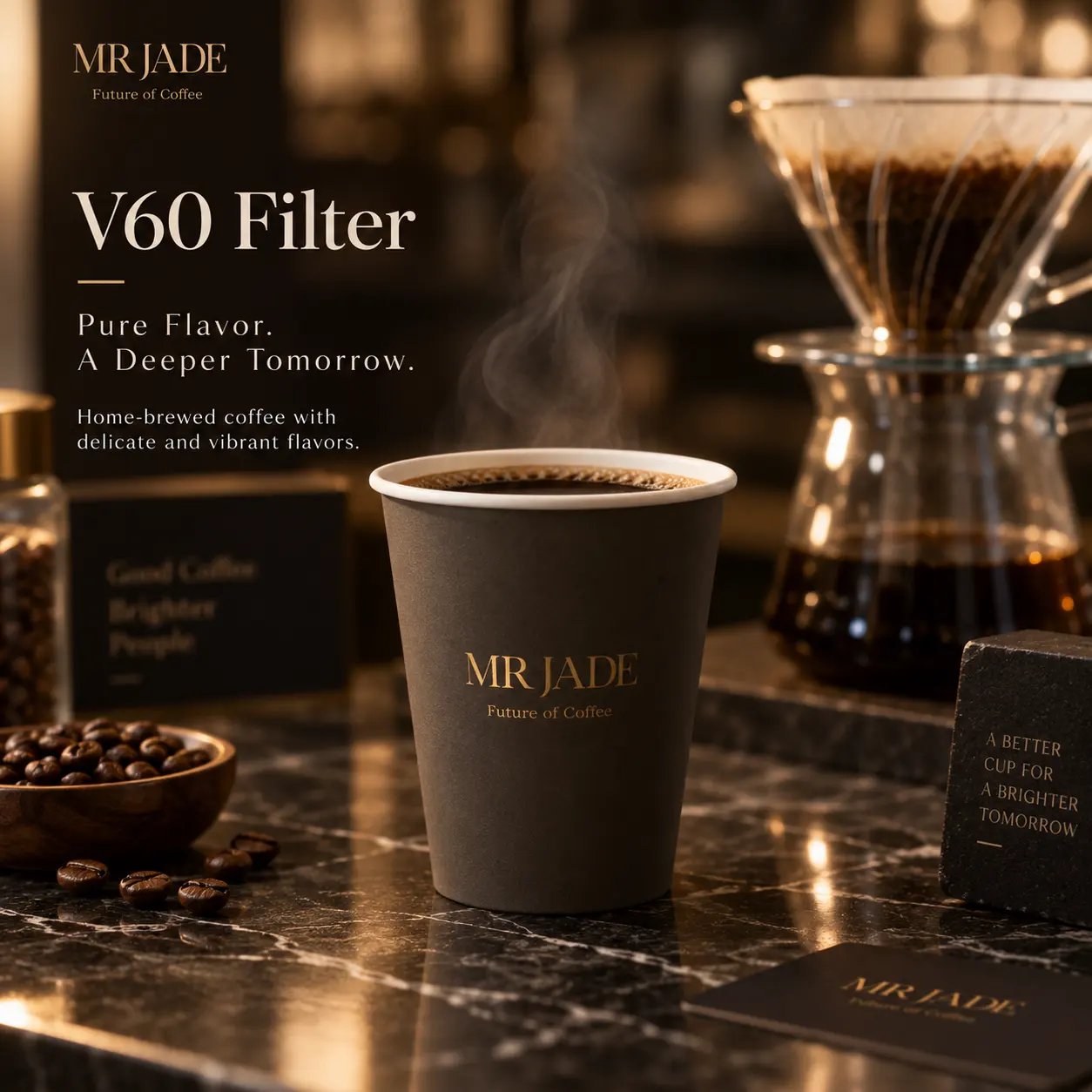
| V60 pour-over | Single origin | Clean extraction shows off distinct flavours |
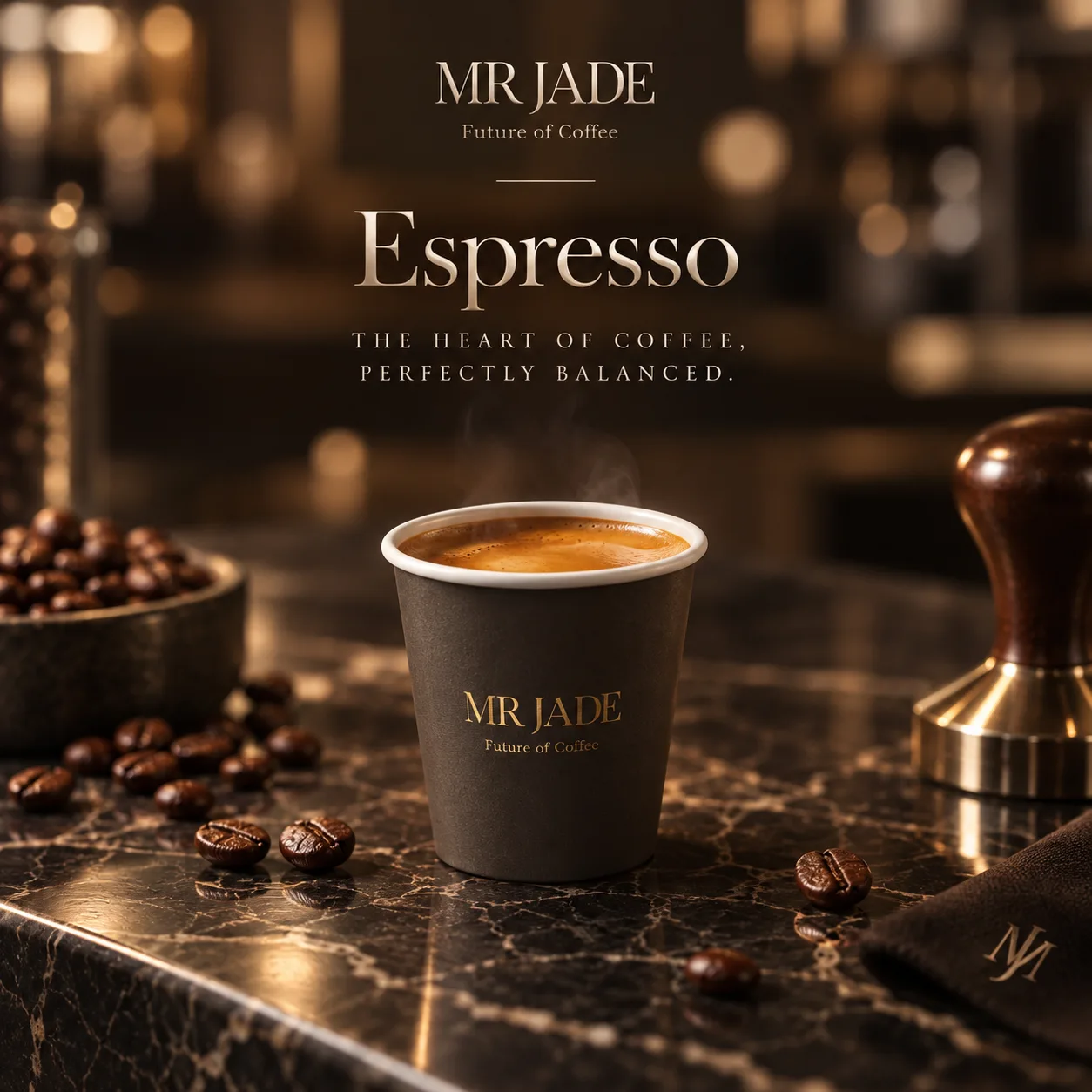
| Espresso | Blend, or a bright single origin | Blends give balance; single origins give character |
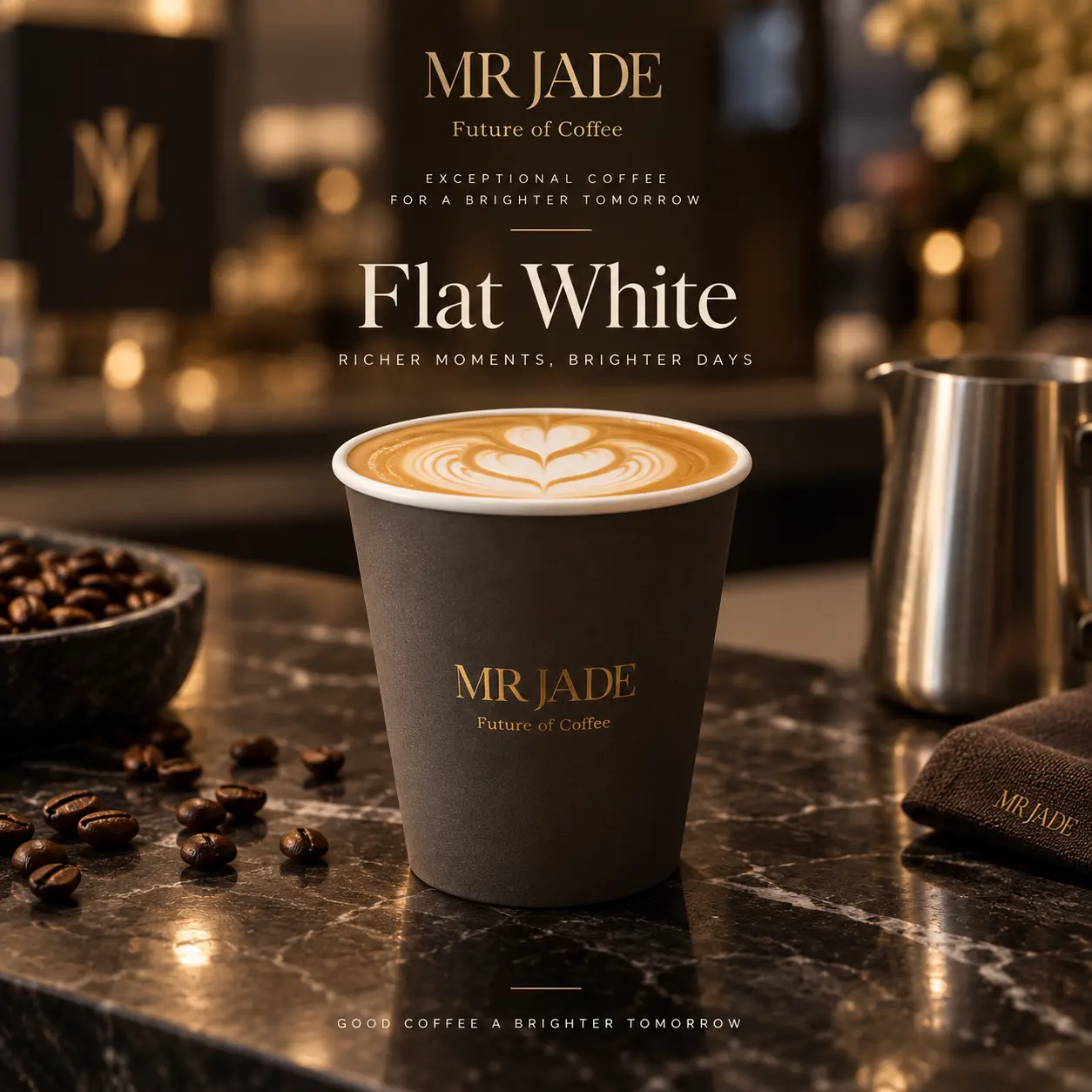
| Flat white, latte, cappuccino | Blend | Built to stand up to milk |
| Americano | Either | Water opens up the flavours of both |
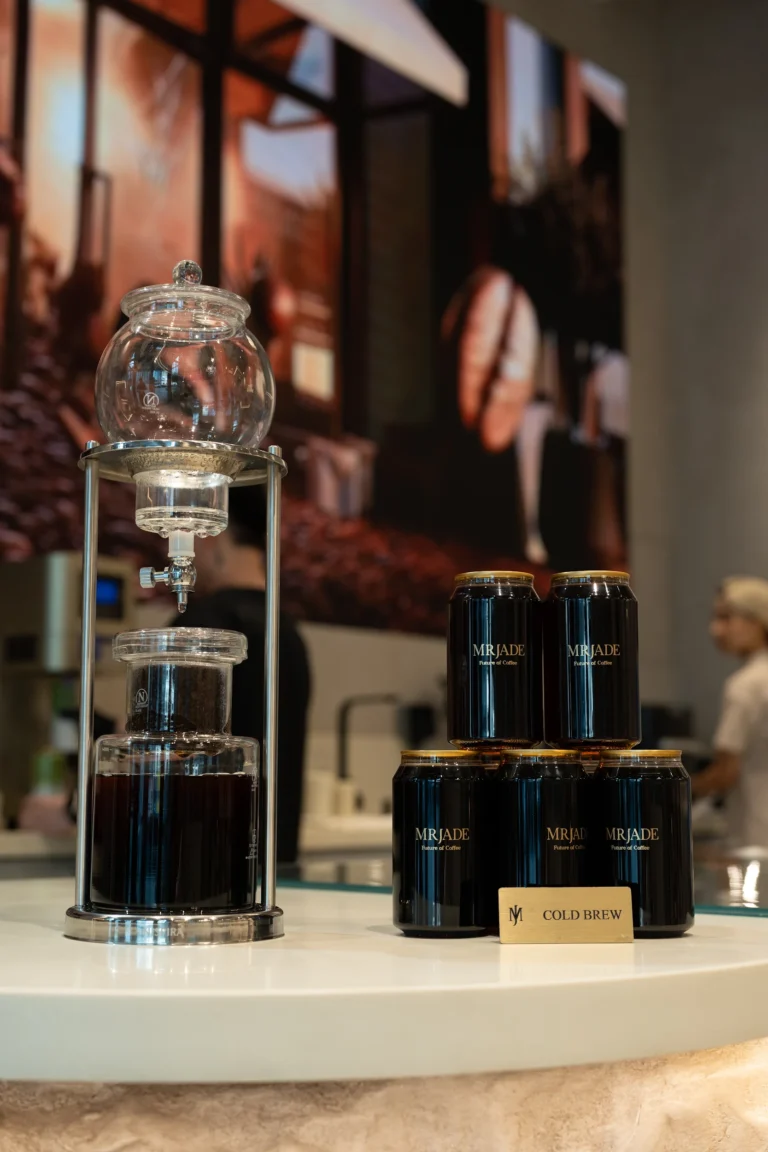
| Cold brew | Either | Long steeping brings smooth, chocolatey notes |
| Turkish coffee | Often a blend | A full body suits the very fine grind |
How to read a coffee label.
Specialty coffee bags are packed with details, and they tell you a lot about what will be in your cup. These are the details worth looking for, whether you are buying a single origin or a blend.
Origin
Country, region and ideally the farm or producer. More detail usually means more traceability.
Process
Washed tends to taste clean and bright; natural tends to taste fruity and full.
Roast date
Fresher is better. Coffee is usually at its best within a few weeks of roasting.
Tasting notes
Words like “chocolate” or “berry” describe flavours that come from the bean, not added flavourings.
Blend components
Good roasters list the origins in their blends, so you know what you are drinking.
Altitude & variety
Higher altitude and named varieties often signal a more complex coffee.
Single origin and blend myths.
Both words get used loosely. Here is what is true, and what isn’t.
| “Single origin is always better.” | No. It is more distinctive, not automatically higher quality. |
|---|---|
| “Blends hide bad coffee.” | Not with good roasters. Specialty blends use specialty-grade components. |
| “Single origin is stronger.” | No. Strength comes from dose and shots, not origin. See our caffeine chart. |
| “You can’t use single origin in milk.” | You can; delicate notes may just be harder to taste. |
Which is right for you?
Think about how you drink coffee most days. Pairing with the right milk matters too; see oat vs coconut vs dairy milk.
You drink it black
Try single origins in a V60 or as espresso to taste each coffee’s personality.
You love milk drinks
A balanced blend gives a rich, chocolatey flat white or latte every time.
You like consistency
Blends deliver the same reliable flavour, cup after cup.
You like discovery
Single origins change with the seasons, so there is always something new.
Coffee at MR JADE.
Our coffee is MR JADE’s own specialty roast, rooted in a roasting tradition passed down from Jade Sen’s grandfather. Taste it black as an espresso or hand-brewed V60, or with fresh milk delivered daily from a farm in Dubai, oat milk, or coconut milk from Bali. Want to know which coffee is in today’s cup? Ask the barista; they love to talk coffee. Read the family story in our story and see the full experience in specialty coffee in Downtown Dubai.
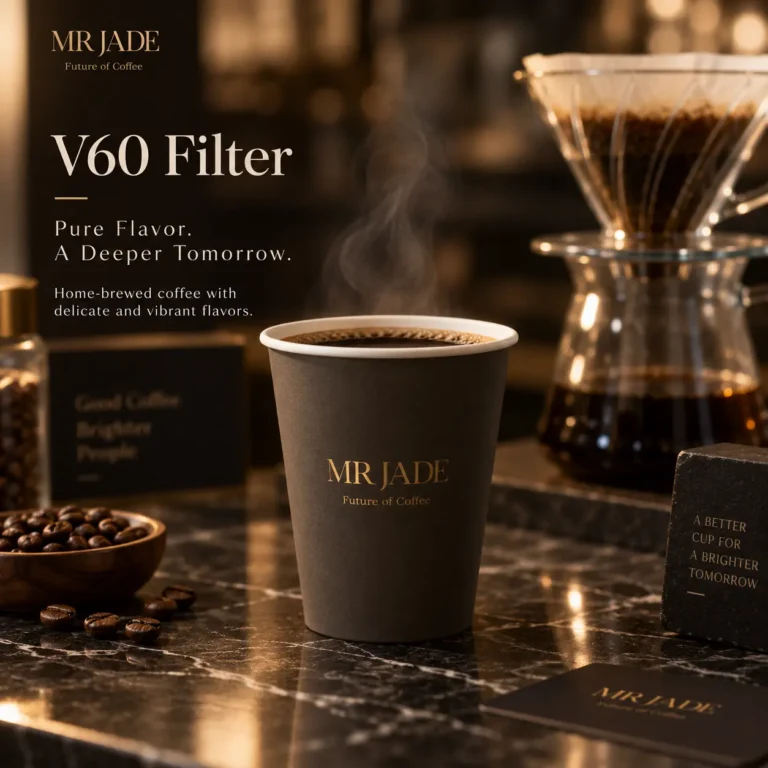
| Black and bright | Espresso or V60 Filter |
|---|---|
| Smooth with milk | Flat White (double espresso, 8 oz), Latte or Cappuccino |
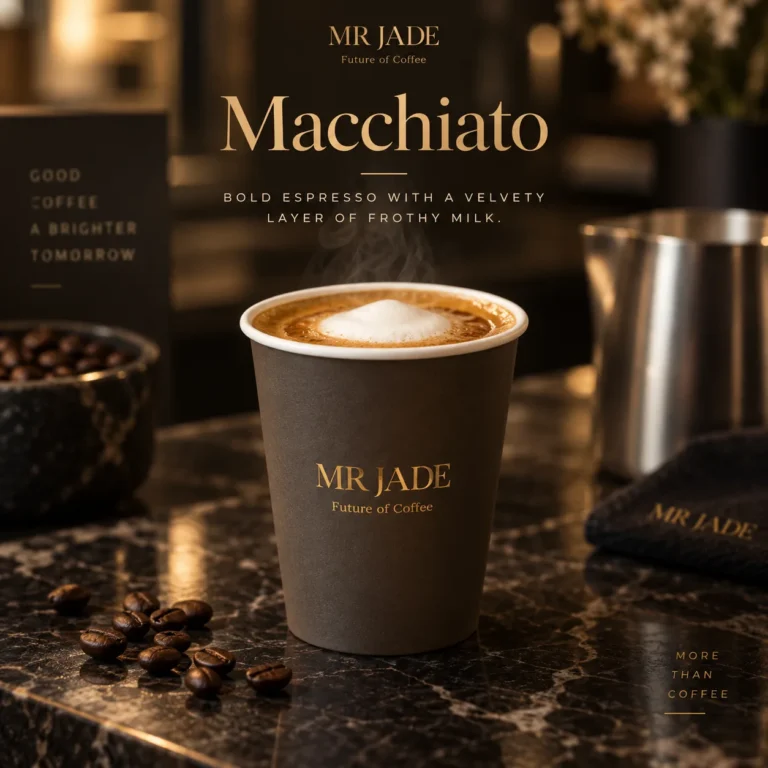
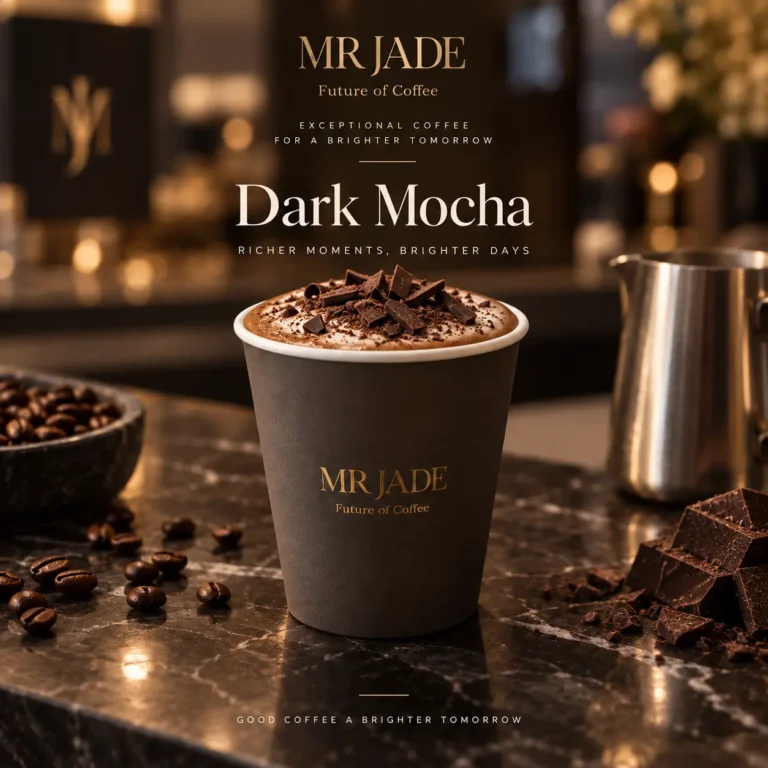
| Sweet and rich | Spanish Latte or Dark Mocha with Belgian chocolate |
| Slow and traditional | Turkish coffee, 4 oz |
Specialty coffee near Downtown’s landmarks.
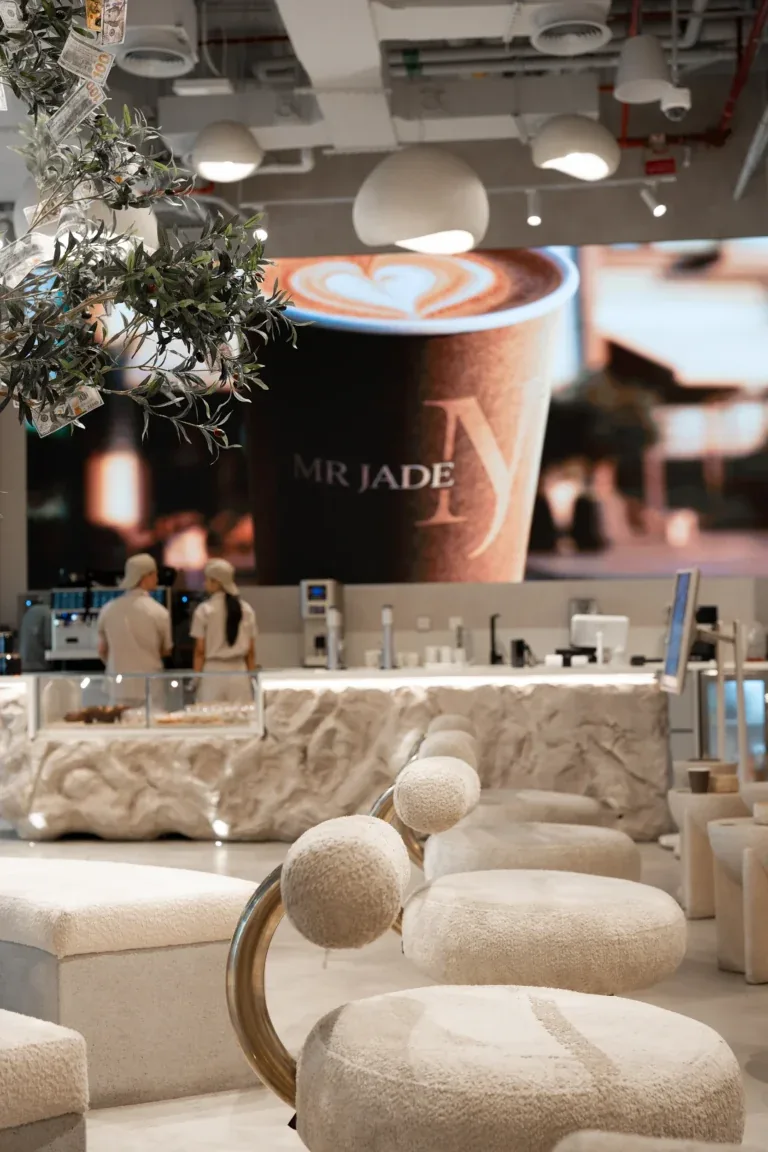
MR JADE Coffee is at R01, Burj Crown, Emaar Boulevard, near Dubai Mall. Sit at our outdoor tables, work from our work-friendly café, grab it as takeaway, or order through Deliveroo or noon Food via our delivery page.
| On Emaar Boulevard | Right on the Boulevard at Burj Crown |
|---|---|
| Near Dubai Mall | Open from 7 AM |
| Near Burj Khalifa | A few minutes along Emaar Boulevard |
| Near Dubai Opera | Before a show |
Key takeaways
- Single origin coffee comes from one place and tastes distinctive; a blend combines origins for balance.
- Single origins change with the seasons; blends are designed to taste the same all year.
- Single origins shine in black coffee such as V60; blends are usually built for espresso and milk.
- Neither is better: choose by how you drink your coffee.
- Taste MR JADE’s own specialty roast at R01 Burj Crown, Emaar Boulevard, from 7 AM daily.
Single origin vs blend: your questions
Short answers before you order.
What does single origin coffee mean?
Coffee from one place: a single country, region, farm or lot. It tastes distinctive because it reflects where and how it was grown.
What is a coffee blend?
A mix of coffees from two or more origins, combined by a roaster to create a balanced, consistent flavour.
Is single origin better than a blend?
Not automatically. Single origin offers distinctive character; a blend offers balance and consistency. The best choice depends on how you drink coffee.
Which is better for espresso?
Blends are the most common choice for balance and body, but bright single origins can make excellent, characterful espresso. Bean type matters too, so compare Arabica vs Robusta coffee.
Which is better with milk?
Usually a blend, because chocolatey, nutty blends stand up to milk while delicate single-origin notes can get lost.
Does single origin coffee have more caffeine?
No. Caffeine depends mainly on the species, dose and number of shots, not whether the coffee is single origin or a blend.
Why does single origin coffee taste different each season?
Each harvest is affected by weather, rainfall and processing, so the same farm can taste slightly different from year to year.
Are blends lower quality?
Not with good roasters. Specialty blends are made from high-quality components chosen to complement each other.
What coffee does MR JADE serve?
MR JADE’s own specialty roast, rooted in Jade Sen’s grandfather’s roasting tradition. Ask the barista about the coffee in today’s cup.
Where can I get specialty coffee near Dubai Mall?
MR JADE Coffee at R01, Burj Crown, Emaar Boulevard, near Dubai Mall, open from 7 AM daily.
Taste our roast on the Boulevard.
MR JADE Coffee, R01, Burj Crown, Emaar Boulevard, Downtown Dubai, UAE.
Hours: Sunday–Thursday 7 AM–11 PM · Friday–Saturday 7 AM–12 AM