Arabic Coffee vs Turkish Coffee: what’s the difference?
Both are centuries-old traditions you will meet everywhere in Dubai, and both are recognised by UNESCO. But Arabic coffee (qahwa) is light, golden and spiced with cardamom, while Turkish coffee is dark, thick and unfiltered. Here is how they compare, how each is served, and where to enjoy Turkish coffee on Emaar Boulevard.
What is the difference between Arabic coffee and Turkish coffee?
Arabic coffee (qahwa) is made from lightly roasted beans brewed with cardamom, and sometimes saffron, in a dallah pot, then served thin, golden and usually unsweetened in small handleless cups, often with dates. Turkish coffee is made from darker-roasted, powder-fine coffee simmered in a small cezve and served thick, dark and unfiltered, often sweetened, with a foam top. Arabic coffee is lighter and spiced; Turkish coffee is richer and heavier.
Both are recognised by UNESCO as part of the world’s intangible cultural heritage: Turkish coffee in 2013 and Arabic coffee in 2015.
| Arabic coffee (qahwa) | Turkish coffee | |
|---|---|---|
| Roast | Light to medium | Usually medium to dark |
| Grind | Medium to fine | Extra fine, like powder |
| Spices | Cardamom; sometimes saffron, cloves or rose water | Usually none; cardamom in some regions |
| Pot | Dallah (and a boiling pot) | Cezve (also called ibrik) |
| Filtered? | Grounds settle and are left behind when pouring | No; served with the grounds in the cup |
| Colour & body | Golden to light brown, thin | Dark, thick and velvety |
| Sugar | Usually none | Often sweetened while brewing |
| Cup | Small handleless finjan, a few sips | Small cup with a handle |
| Served with | Dates | Water, often Turkish delight |
| UNESCO listing | 2015 (UAE, Saudi Arabia, Oman, Qatar) | 2013 (Türkiye) |
Recipes vary by family, region and café; these are the most common traditions.
Arabic coffee: hospitality in a cup.
In the UAE and across the Gulf, Arabic coffee is a symbol of welcome. Offering qahwa to guests is a central part of Emirati hospitality, at home, at majlis gatherings and at celebrations. The beans are roasted lightly, so the coffee stays bright and golden, and the cardamom gives it its unmistakable aroma.
| Step | How qahwa is made |
|---|---|
| 1. Roast | Green beans are roasted lightly, traditionally in a shallow pan. |
| 2. Grind | The roasted beans are ground, along with cardamom pods. |
| 3. Boil | Coffee simmers in water so the flavour develops. |
| 4. Spice | Cardamom, and sometimes saffron or cloves, are added near the end. |
| 5. Settle & pour | The grounds settle, and the coffee is poured into a dallah to serve. |
Turkish coffee: thick, rich and slow.
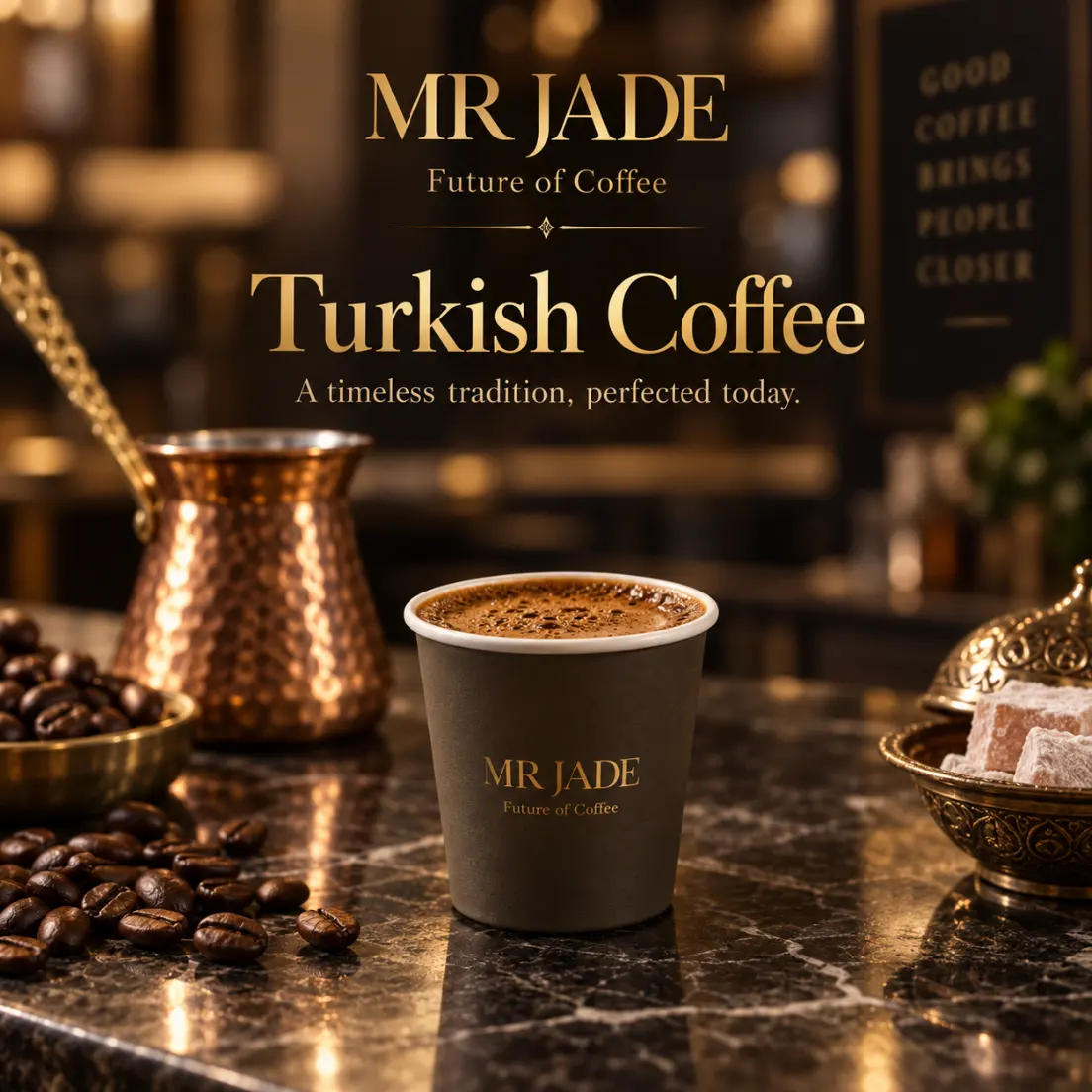
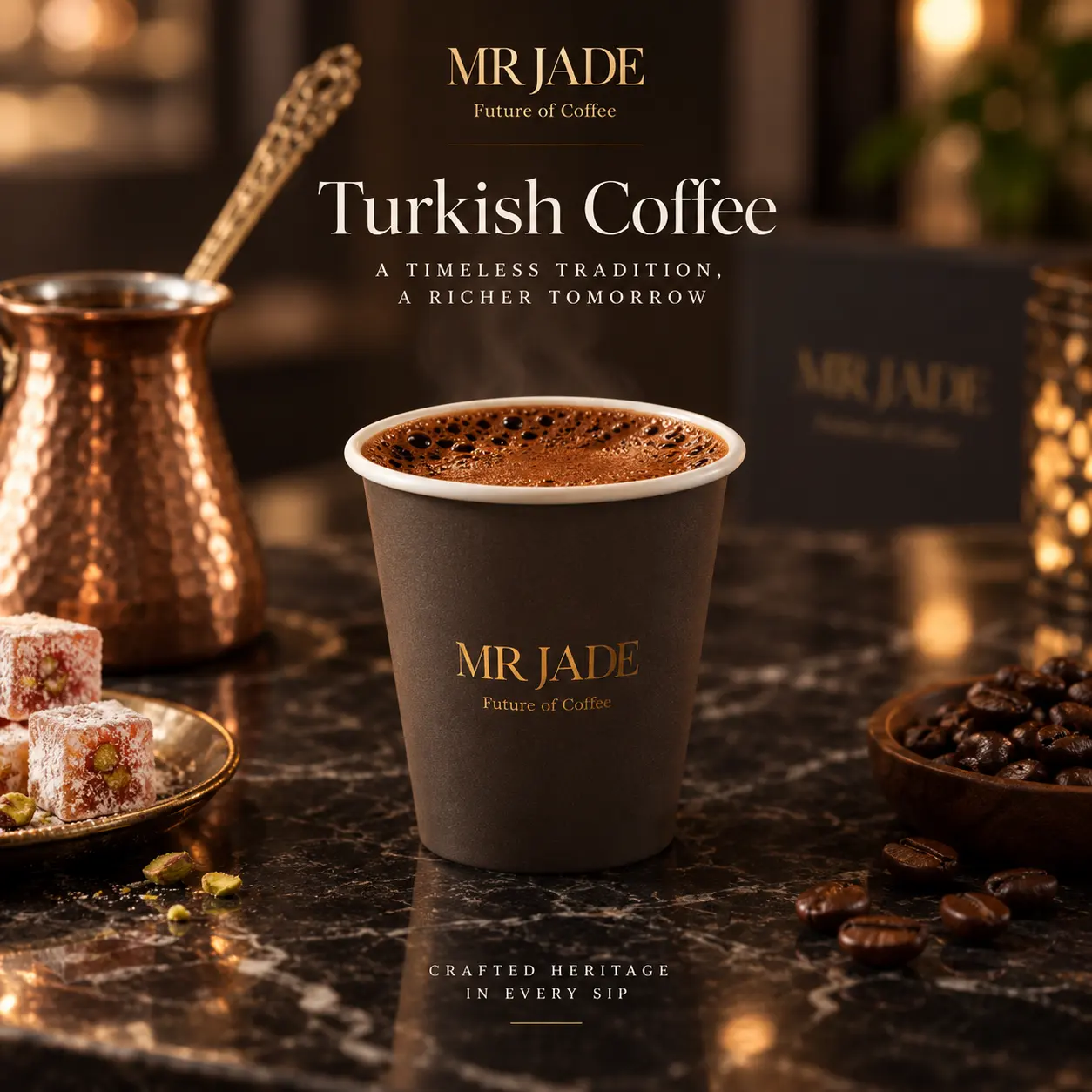
Turkish coffee is simmered from powder-fine coffee and cold water in a small cezve until a thick foam rises. Nothing is filtered, so the grounds become part of the drink and settle in the cup. It is sipped slowly and often enjoyed with a glass of water. For how it compares with an espresso, read Turkish coffee vs espresso.
The grind
The finest of any brew method, almost like flour, which gives the thick body.
The foam
A good Turkish coffee has a rich foam top, called köpük.
The sugar
Sweetness is chosen when ordering, because sugar is added during brewing.
The last sip
Leave it: the sediment at the bottom isn’t meant to be drunk.
How they taste.
Arabic coffee is light and aromatic. The gentle roast keeps it bright, almost tea-like, and the cardamom brings a warm, floral spice; saffron adds a golden colour and a honeyed note. Turkish coffee is the opposite in body: dark, velvety and earthy, with a deep roasted flavour and a sweetness that depends on how much sugar was brewed in. If you love bold, heavy coffee, choose Turkish. If you prefer light and fragrant, choose qahwa.
Arabic: aroma
Cardamom-led, warm and floral.
Arabic: body
Thin and light, sipped in a few mouthfuls.
Turkish: aroma
Deep, roasted and rich.
Turkish: body
Thick and velvety, with fine sediment.
Which has more caffeine?
Both are served in very small cups, so each cup is fairly modest. A cup of Turkish coffee typically has around 50–65 mg of caffeine. A single finjan of Arabic coffee is smaller still, but qahwa is usually poured several times, so the total depends on how many cups you accept. Light roasting does not mean less caffeine; roast level changes flavour far more than caffeine. Compare more drinks in our coffee caffeine chart and read about roasting in light vs medium vs dark roast.
| Turkish coffee, one cup | About 50–65 mg |
|---|---|
| Arabic coffee, one small finjan | Lower per cup; varies with strength and refills |
| Single espresso | About 63 mg |
| Double espresso | About 125 mg |
Estimates only; real caffeine varies with the coffee, dose and serving.
How each is served and enjoyed.
Both coffees come with rituals. Knowing a few makes any visit, from a majlis to a café, feel more natural.
Qahwa: small pours
The host pours only a little into each finjan and refills it as you finish.
Qahwa: the shake
When you have had enough, gently shake the empty cup side to side before handing it back.
Qahwa: with dates
The sweetness of dates balances the unsweetened, spiced coffee.
Turkish: water first
A sip of water cleanses the palate before the coffee.
Turkish: let it settle
Wait a moment so the grounds sink, then sip slowly from the top.
Turkish: choose sweetness
Say how sweet you like it when ordering: plain, a little sugar, medium or sweet.
Both traditions in today’s Dubai.
Dubai’s coffee scene is one of the most diverse anywhere. Arabic coffee remains at the heart of Emirati hospitality, served at home, in hotels and at cultural spots, while Turkish coffee, espresso, pour-over and matcha sit side by side in the city’s cafés. That mix is part of what makes Downtown Dubai such a good place to explore coffee. For our guide to the neighbourhood, see best coffee shops in Downtown Dubai.
| Want a bold, traditional cup? | Turkish coffee |
|---|---|
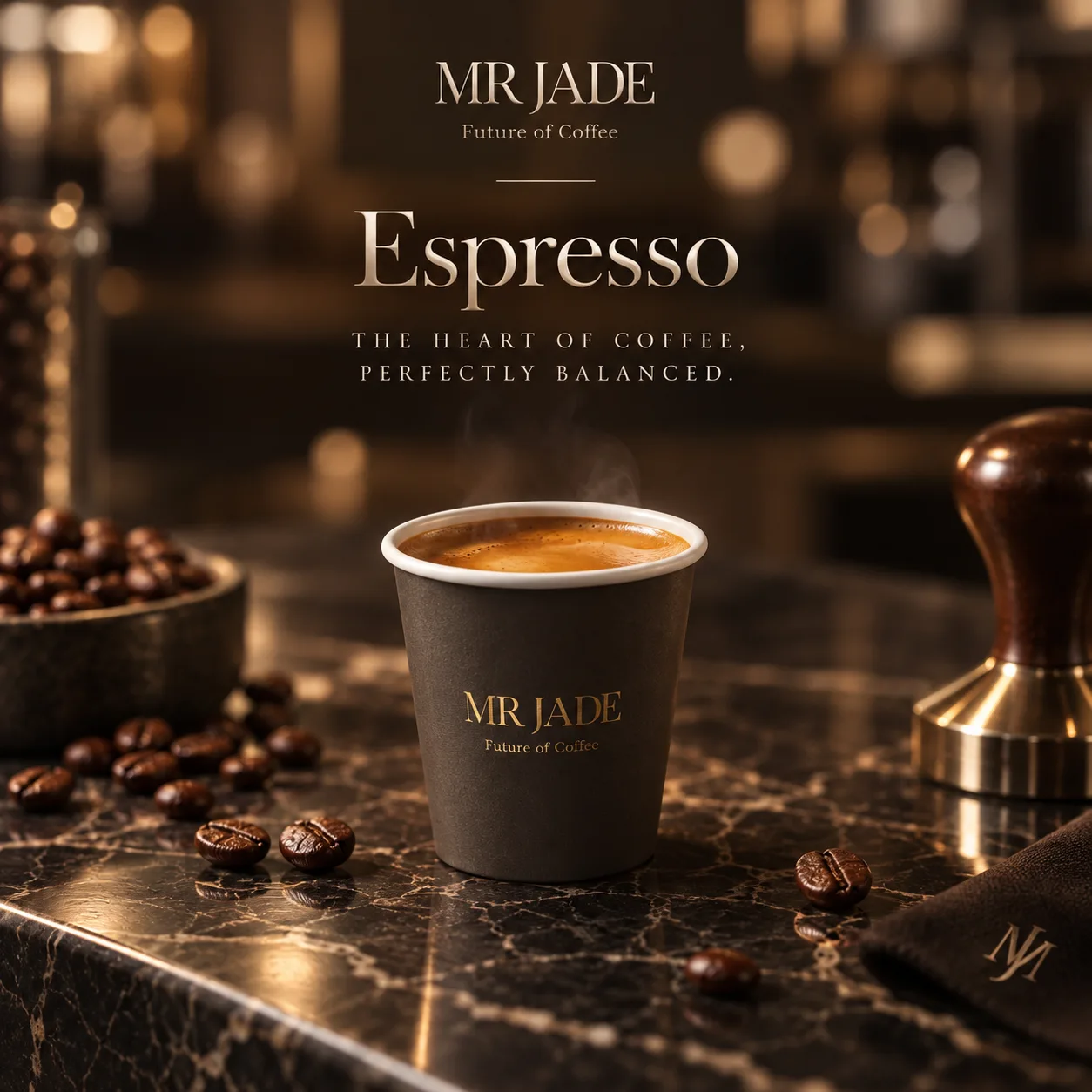
| Want a quick, intense shot? | Espresso |
| Want a clean, light black coffee? | A hand-brewed V60 |
| Want something sweet and creamy? | Spanish Latte |
Turkish coffee at MR JADE.
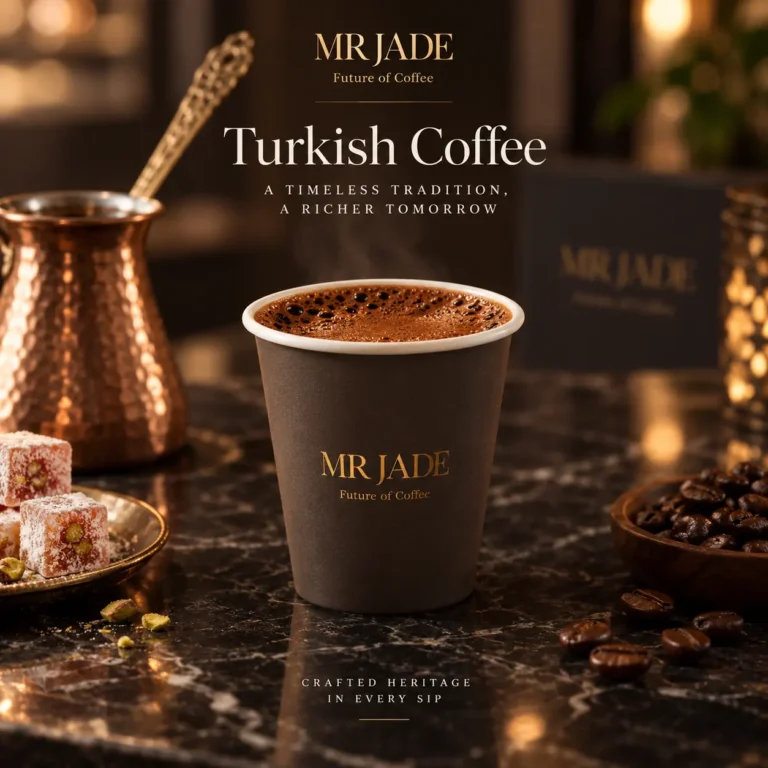
At MR JADE we serve Turkish coffee, finely ground and prepared slowly, in a 4 oz cup, made from our own specialty roast rooted in a roasting tradition passed down from Jade Sen’s grandfather. It sits on our hot coffee menu alongside espresso, V60, Americano, Flat White, Latte, Cappuccino, Spanish Latte and a Dark Mocha made with Belgian chocolate. Read the family story in our story.
Turkish Coffee
Slow-prepared, velvety and rich, in a 4 oz serve.
Our own roast
Rooted in Jade Sen’s grandfather’s roasting tradition.
Sip slowly
Ideal for an unhurried afternoon at our outdoor tables.
Prefer Arabic?
Turkish coffee near Downtown’s landmarks.
MR JADE Coffee is at R01, Burj Crown, Emaar Boulevard, near Dubai Mall. Grab it as takeaway, or order through Deliveroo or noon Food via our delivery page.
| On Emaar Boulevard | Right on the Boulevard at Burj Crown |
|---|---|
| Near Dubai Mall | Open from 7 AM |
| Near Burj Khalifa | A few minutes along Emaar Boulevard |
| Late at night | Open until midnight on Fridays and Saturdays |
Key takeaways
- Arabic coffee (qahwa) is lightly roasted, spiced with cardamom, golden, thin and usually unsweetened.
- Turkish coffee is darker roasted, powder-fine, unfiltered, thick and often sweetened.
- Qahwa is served from a dallah into small finjans with dates; Turkish coffee comes from a cezve with water.
- Both are UNESCO-recognised: Turkish coffee in 2013, Arabic coffee in 2015.
- Enjoy Turkish coffee from our own specialty roast at MR JADE, R01 Burj Crown, Emaar Boulevard, from 7 AM.
Arabic vs Turkish coffee: your questions
Short answers before you order.
Is Arabic coffee the same as Turkish coffee?
No. Arabic coffee is lightly roasted, spiced with cardamom and served thin and golden; Turkish coffee is darker, powder-fine and served thick and unfiltered.
What is Arabic coffee called?
It is called qahwa (sometimes written gahwa), served from a dallah into small handleless cups called finjan.
What spices are in Arabic coffee?
Mainly cardamom. Saffron, cloves or rose water are sometimes added, depending on the family and region.
Is Arabic coffee sweet?
Usually not. It is typically served unsweetened, with dates on the side to provide sweetness.
Is Turkish coffee stronger than Arabic coffee?
It tastes stronger because of its darker roast and thick body. Per small cup, caffeine is broadly similar, depending on strength and refills.
Why do you shake the cup after Arabic coffee?
Gently shaking the empty finjan tells the host you have had enough and don’t want a refill.
Are Arabic and Turkish coffee recognised by UNESCO?
Yes. Turkish coffee culture was inscribed in 2013, and Arabic coffee, nominated by the UAE, Saudi Arabia, Oman and Qatar, in 2015.
What is a dallah?
A dallah is the traditional long-spouted Arabic coffee pot, used to serve qahwa. It is a symbol of hospitality and even appears on the UAE one-dirham coin.
Can I make Turkish coffee at home?
Yes. Simmer extra-fine coffee, cold water and sugar if you like in a small cezve until a foam rises, then pour without filtering and let the grounds settle before sipping.
Which should I try first in Dubai?
Try both. Qahwa shows Emirati hospitality at its best, while Turkish coffee is a richer, heavier cup for slow sipping.
Does MR JADE serve Arabic coffee?
Our menu features Turkish coffee, espresso, V60 and more from our own specialty roast. Ask the barista about today’s options.
Where can I get Turkish coffee near Dubai Mall?
MR JADE Coffee at R01, Burj Crown, Emaar Boulevard serves Turkish coffee from 7 AM daily, near Dubai Mall.

A slow cup of tradition on the Boulevard.
MR JADE Coffee, R01, Burj Crown, Emaar Boulevard, Downtown Dubai, UAE.
Hours: Sunday–Thursday 7 AM–11 PM · Friday–Saturday 7 AM–12 AM