Arabica vs Robusta: what’s the difference?
Almost all the coffee you drink comes from two species: Arabica and Robusta. They differ in taste, caffeine, where they grow and what they cost. Here is a clear comparison, why specialty cafés favour Arabica, and how to taste the difference in Downtown Dubai.

What is the difference between Arabica and Robusta coffee?
Arabica is sweeter, more aromatic and more acidic, with complex fruity or chocolatey flavours, and it grows at higher altitudes. Robusta is bolder, more bitter and earthy, has roughly twice the caffeine, and is hardier and cheaper to grow. Arabica makes up the majority of world production and nearly all specialty coffee; Robusta is common in instant coffee and some espresso blends.
In short: Arabica for flavour and complexity, Robusta for strength, body and crema.
| Arabica | Robusta | |
|---|---|---|
| Species | Coffea arabica | Coffea canephora |
| Taste | Sweet, aromatic, bright; fruit, floral, chocolate | Bold, bitter, earthy; nutty, woody, rubbery |
| Acidity | Higher | Lower |
| Caffeine (by weight) | About 1.2–1.5% | About 2.2–2.7% |
| Sugar & oils | More, giving sweetness and aroma | Less |
| Altitude | Higher, often 1,000 m and above | Lower, often sea level to about 800 m |
| Plant | More delicate, prone to disease | Hardy and disease-resistant |
| Bean shape | Oval with a curved crease | Smaller, rounder, straighter crease |
| Price | Higher | Lower |
| Common use | Specialty coffee, pour-over, quality espresso | Instant coffee, commercial blends, some espresso blends |
Figures are typical ranges; individual coffees vary with variety, farm and processing.
Arabica: complex, sweet and aromatic.
Arabica originated in the highlands of Ethiopia and now grows across Latin America, Africa and Asia. It needs cooler temperatures and higher altitudes, where cherries ripen slowly and develop more sugars and aromatic compounds. That slow growth is why Arabica tastes more complex, and also why it is more expensive and more vulnerable to pests, disease and climate change.
Flavour range
From bright citrus and berries to caramel, nuts and milk chocolate, depending on origin and roast.
Growing
High, cool and slow. Altitude is one of the biggest drivers of quality.
Varieties
Within Arabica, varieties such as Typica, Bourbon and Geisha each have their own character.
Best for
Pour-over like a V60, espresso and milk drinks where flavour matters.
Robusta: bold, bitter and high in caffeine.
Robusta is native to central and western Africa and is now grown widely in Vietnam, Brazil, Indonesia and Uganda. As its name suggests, the plant is robust: it tolerates heat, lower altitudes and disease, and yields more. Its higher caffeine also acts as a natural pest deterrent, and is part of why it tastes more bitter.
Flavour range
Earthy, woody and nutty, with heavy body and lingering bitterness.
Crema
Often added to espresso blends because it produces thick, long-lasting crema.
Fine Robusta
Carefully grown and processed Robusta exists and can be very good, though it is far less common.
Best for
Instant coffee, strong traditional coffees and blends that need body and punch.
Does Robusta have more caffeine?
Yes, roughly twice as much by weight. Arabica beans usually contain about 1.2–1.5% caffeine, while Robusta contains about 2.2–2.7%. In the cup, though, the number of shots and the dose matter just as much as the species. A double espresso from an Arabica coffee can still carry more caffeine than a small Robusta-based drink. See how drinks compare in our coffee caffeine chart.
Arabica
About 1.2–1.5% caffeine by weight; smoother lift.
Robusta
About 2.2–2.7% caffeine by weight; stronger hit.
Bitterness
More caffeine is part of why Robusta tastes more bitter.
Roast is not caffeine
Dark roast tastes stronger but doesn’t add caffeine. See roast levels.
Arabica and specialty coffee.
Specialty coffee is graded 80 points or more out of 100 by trained cuppers, with very few defects. Arabica’s sweetness, aroma and acidity make it far more likely to reach that level, which is why the vast majority of specialty coffee is Arabica. Read the full definition in what is specialty coffee? and see how it is served in specialty coffee in Downtown Dubai.
| Drink | Usual choice | Why |
|---|---|---|
| V60 pour-over | Arabica | Clarity shows off aroma and acidity |
| Espresso | Arabica, sometimes blended | Sweetness and balance; Robusta adds crema and body |
| Milk drinks | Arabica or blends | Chocolatey notes come through the milk |
| Turkish coffee | Varies | A full body suits the fine grind and slow brew |
| Instant coffee | Often Robusta | Cheaper, stronger, more soluble |
How to tell Arabica from Robusta.
You can often tell them apart by looking at the beans or simply tasting a cup black.
Look at the bean
Arabica is longer and oval with a curvy S-shaped crease; Robusta is smaller and rounder with a straight crease.
Taste it black
Bright, sweet and fruity suggests Arabica; heavy, bitter and earthy suggests Robusta.
Check the crema
Very thick, dark, long-lasting crema can hint at Robusta in an espresso blend.
Read the label
“100% Arabica” is common on quality bags; blends often list both.
Are there other coffee species?
Yes. There are over a hundred known coffee species, but only a few are grown commercially. Liberica and Excelsa (now usually classified within Liberica) are grown in small amounts, mainly in Southeast Asia and parts of Africa, with smoky, fruity or woody profiles. Researchers are also studying wild species for their resilience to a warming climate.
| Arabica | The majority of world production; the specialty standard |
|---|---|
| Robusta | Most of the rest; strong, hardy and affordable |
| Liberica | Rare; large beans, smoky and fruity |
| Excelsa | Rare; tart and fruity, often used in blends |
Climate change and the future of both beans.
Coffee is sensitive to temperature and rainfall, and Arabica is the more fragile of the two. Warmer weather, droughts and spreading diseases such as coffee leaf rust are pushing Arabica farms to higher ground and squeezing the areas where it grows well. Robusta copes better with heat, which is one reason interest in high-quality “fine Robusta” is growing, though it faces climate pressure too. Farmers, roasters and researchers are responding with more resilient varieties, shade-grown farming and work on lesser-known species. For coffee lovers, it is a good reason to value traceable, carefully grown coffee and the people who produce it.
Arabica’s challenge
Needs cool, high land, which is shrinking as temperatures rise.
Robusta’s advantage
More heat- and disease-tolerant, with growing quality focus.
New varieties
Breeders are developing hardier plants that keep good flavour.
What you can do
Choose specialty cafés that care about where their coffee comes from.
Specialty coffee at MR JADE.
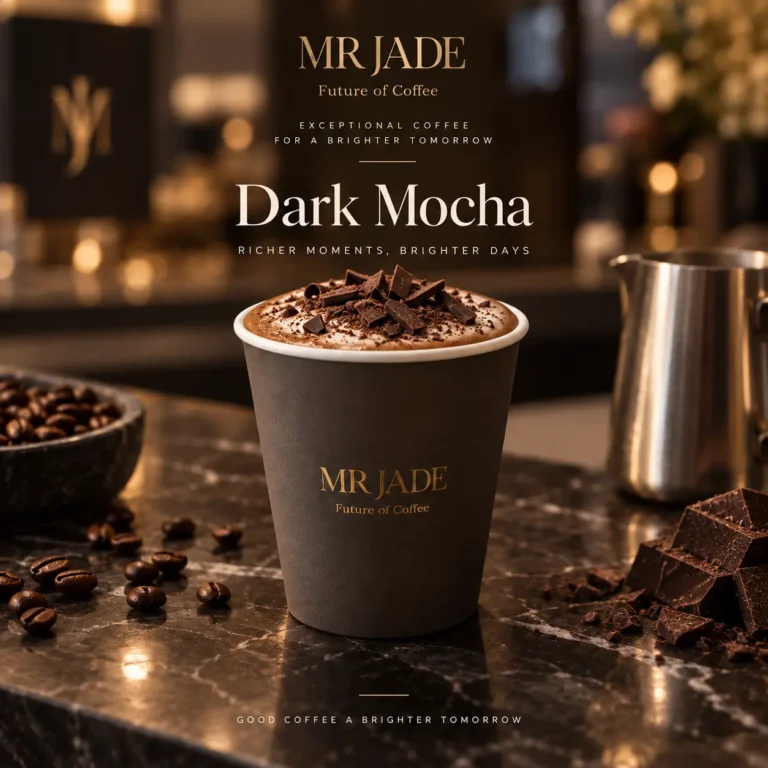
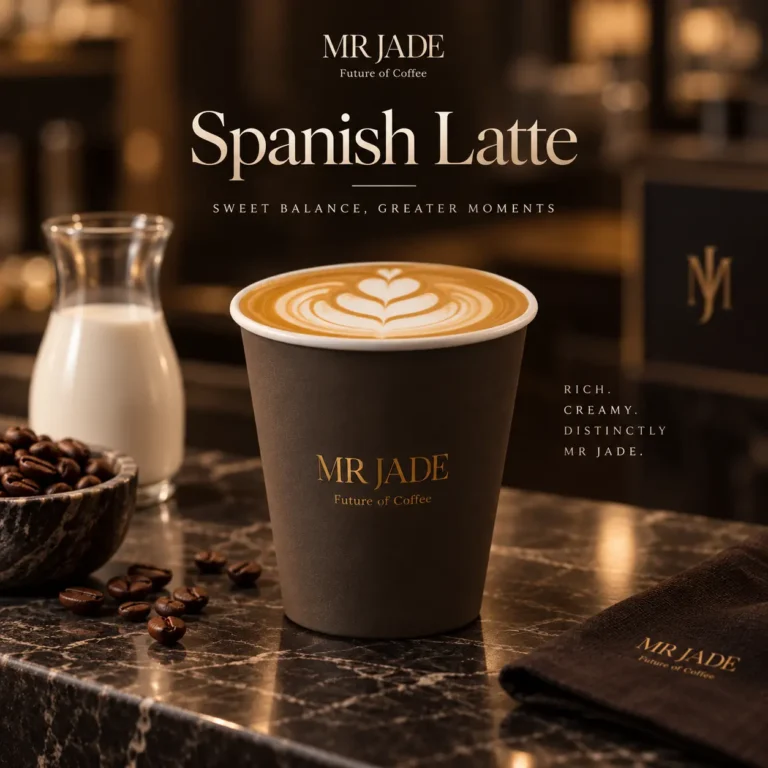
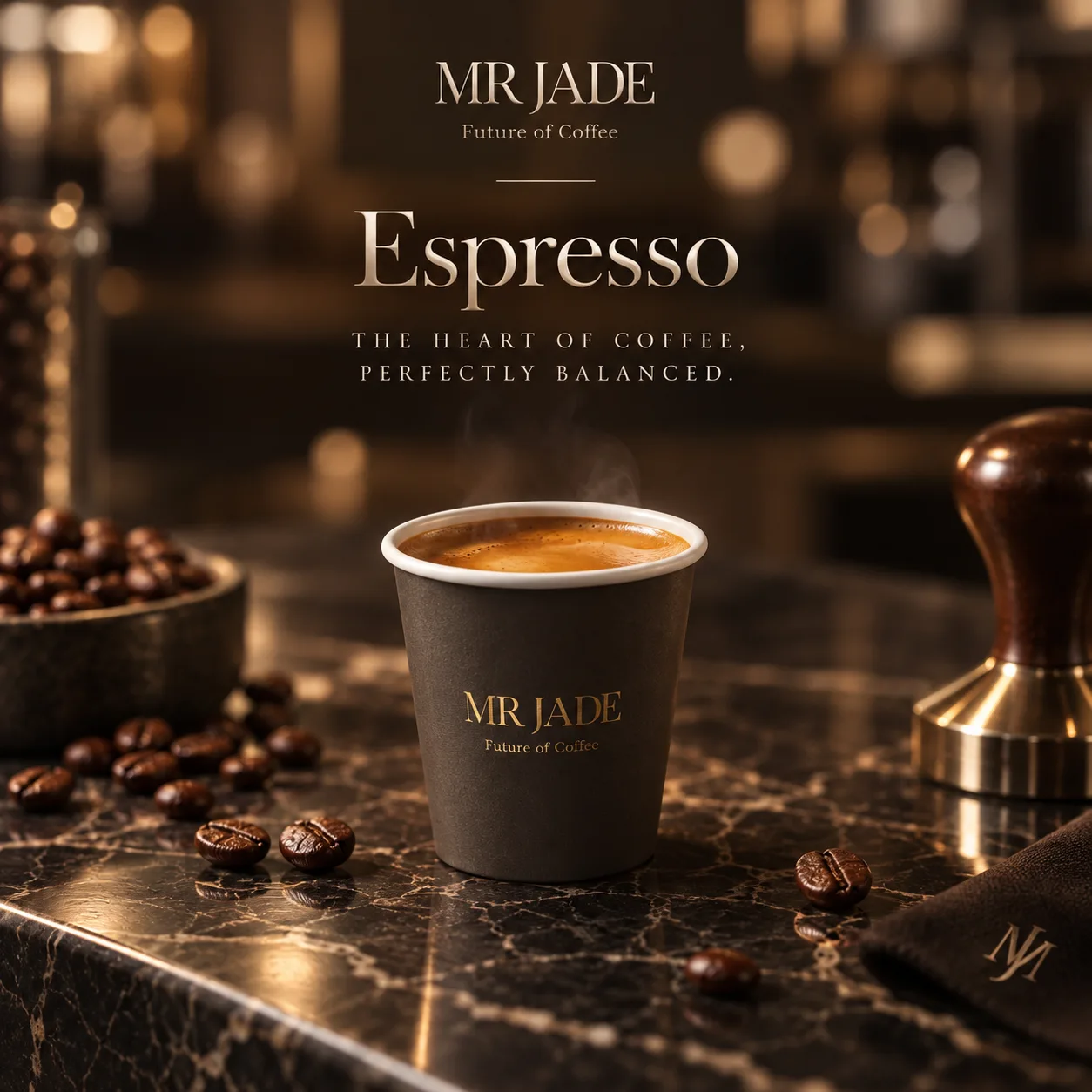
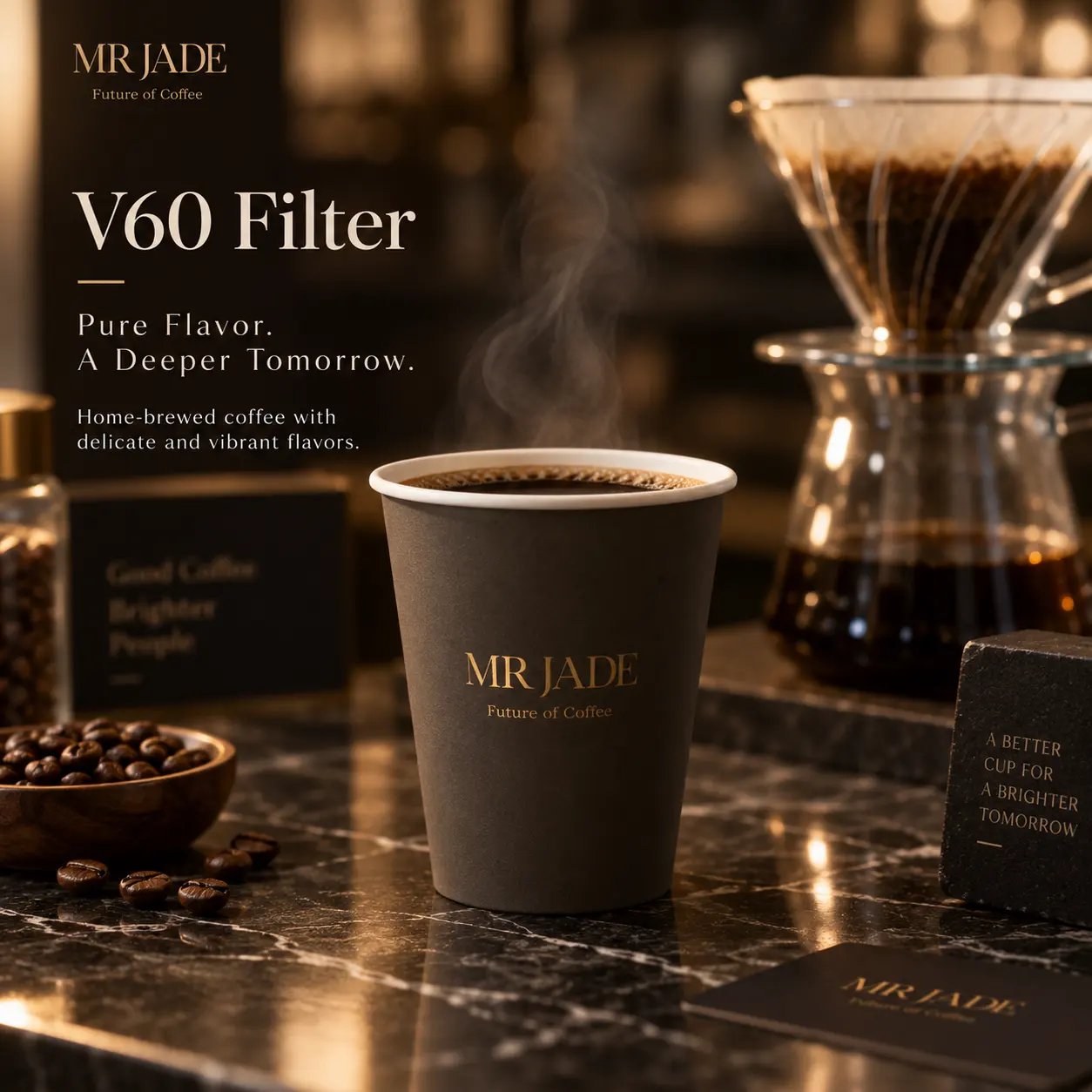
Our coffee is MR JADE’s own specialty roast, rooted in a roasting tradition passed down from Jade Sen’s grandfather. Taste it as a single or double espresso, a hand-brewed V60 or a slow-prepared Turkish coffee, or with fresh milk delivered daily from a farm in Dubai, oat milk, or coconut milk from Bali. Curious about the beans in today’s cup? Ask the barista. Read more in our story.
Espresso
The purest way to taste the roast. See what is espresso?
V60 Filter
Hand-brewed for clarity and aroma, best enjoyed black.
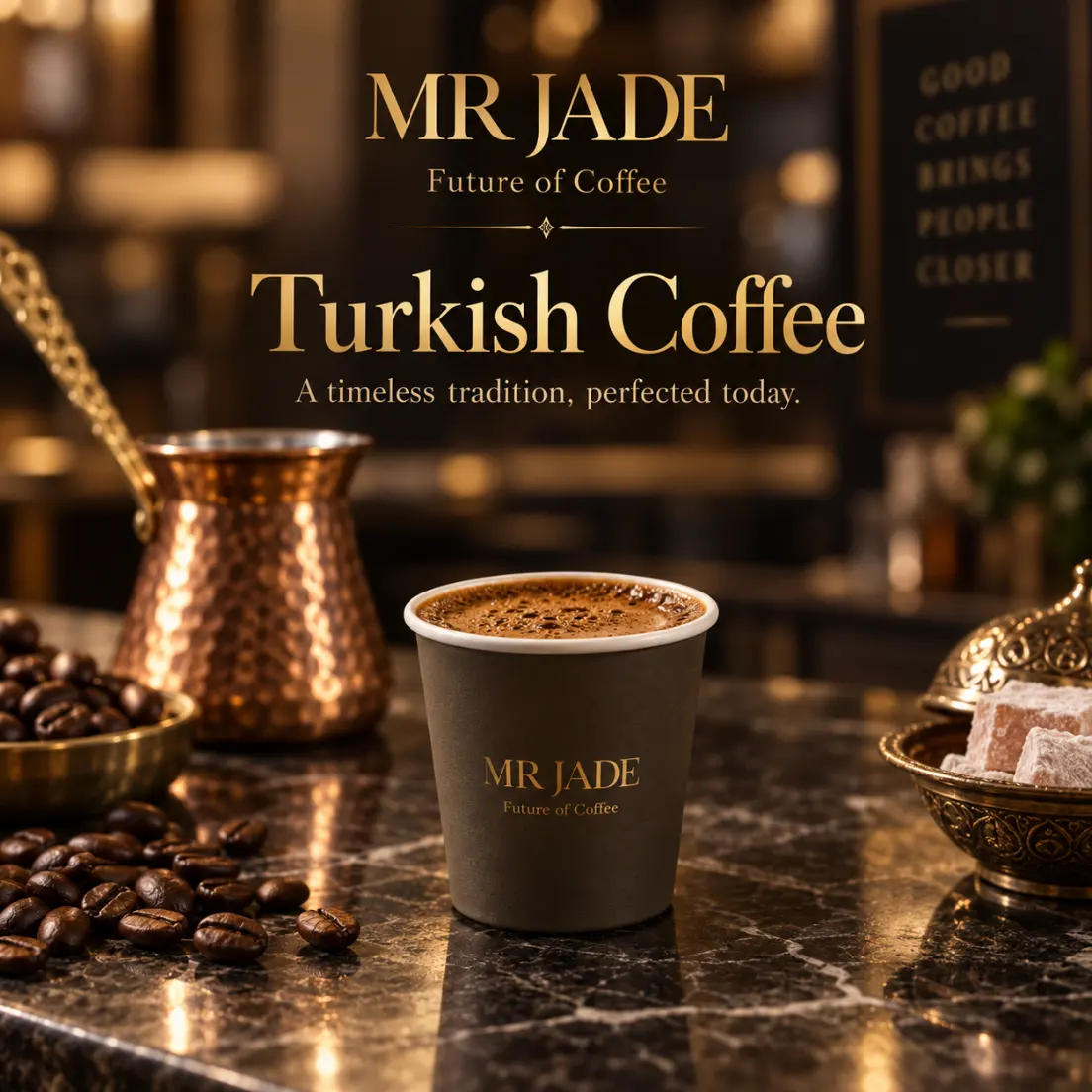
Turkish Coffee
Finely ground and slow-prepared, served in a 4 oz cup.
With milk
Flat White, Latte, Spanish Latte or Dark Mocha with Belgian chocolate.
Specialty coffee near Downtown’s landmarks.
MR JADE Coffee is at R01, Burj Crown, Emaar Boulevard. Sit at our outdoor tables, work from our work-friendly café, grab it as takeaway, or order through Deliveroo or noon Food via our delivery page.
| Near Dubai Mall | Open from 7 AM |
|---|---|
| Near Burj Khalifa | A few minutes along Emaar Boulevard |
| Near Dubai Opera | Before a show |
| Best coffee shops Downtown | Our guide to the neighbourhood |
Key takeaways
- Arabica is sweeter, more aromatic and more acidic; Robusta is bolder, more bitter and earthier.
- Robusta has roughly twice the caffeine of Arabica by weight.
- Arabica grows higher and slower, costs more, and makes up nearly all specialty coffee.
- Robusta is hardy and affordable, common in instant coffee and some espresso blends for crema.
- Taste MR JADE’s own specialty roast at R01 Burj Crown, Emaar Boulevard, from 7 AM daily.
Arabica vs Robusta: your questions
Short answers before you order.
What is the main difference between Arabica and Robusta?
Arabica is sweeter and more aromatic with brighter acidity; Robusta is stronger, more bitter and has about twice the caffeine.
Which has more caffeine, Arabica or Robusta?
Robusta, with roughly 2.2–2.7% caffeine by weight versus about 1.2–1.5% for Arabica.
Is Arabica better than Robusta?
For flavour and complexity, Arabica is usually preferred. Robusta is valued for strength, body, crema and price. Fine Robusta can also be excellent.
Why is Arabica more expensive?
It grows at higher altitudes, ripens slowly, yields less and is more vulnerable to pests and disease, so it costs more to produce.
Is specialty coffee always Arabica?
Almost always, because Arabica reaches specialty grades far more often. Fine Robusta can qualify but is rare.
Why is Robusta used in espresso blends?
It adds body, thick crema and a stronger caffeine kick, especially in traditional Italian-style blends.
Is instant coffee Arabica or Robusta?
Often Robusta or a blend, because it is cheaper, stronger and dissolves well, though some instant coffees are 100% Arabica.
Where does Arabica coffee come from?
It originated in the highlands of Ethiopia and is now grown across Latin America, Africa and Asia, with Brazil the largest producer.
What coffee does MR JADE serve?
MR JADE’s own specialty roast, rooted in Jade Sen’s grandfather’s roasting tradition. Ask the barista about the beans in today’s cup.
Where can I get specialty coffee near Dubai Mall?
MR JADE Coffee at R01, Burj Crown, Emaar Boulevard, a short walk from Dubai Mall, open from 7 AM daily.
Taste the difference on the Boulevard.
MR JADE Coffee, R01, Burj Crown, Emaar Boulevard, Downtown Dubai, UAE.
Hours: Sunday–Thursday 7 AM–11 PM · Friday–Saturday 7 AM–12 AM